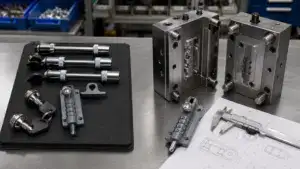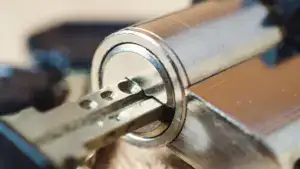
Euro profile, rim, and oval cylinders require different door preparations, lock cases, and mounting methods. Confirm the profile, dimensions, cam or tailpiece, fixing method, operation, and security features before ordering samples.
For OEM work, Euro, rim, and oval are interface families rather than fixed specifications. ANLI can configure or develop the cylinder length, cam or tailpiece, operating function, key system, material, finish, security construction, accessories, branding, and packaging around an approved drawing or sample.
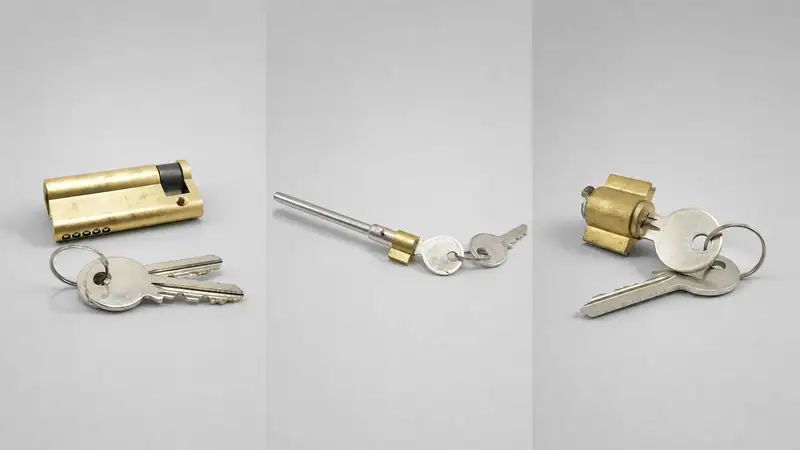
Euro Profile vs Rim Cylinder: Quick Comparison
| Feature | Euro Profile Cylinder | Rim Cylinder | Oval Cylinder |
| General shape | Distinctive Euro-profile body | Round external cylinder with rear tailpiece | Oval external profile |
| Typical lock interface | Mortise lock case with central cam | Rim-mounted lock case on inside face | Compatible mortise lock case |
| Mounting method | Long fixing screw through door edge | Screws or connecting hardware from inside | Fixing screw through door edge |
| Length selection | Measured from fixing center to each end | Tailpiece and door thickness are critical | Measured to match door and hardware |
| Common operation | Double, single, or key-and-thumbturn | Key outside, knob or latch case inside | Double, single, or thumbturn variants |
| Interchangeability | Only with matching Euro preparation | Only with compatible rim case and mounting | Only with matching oval preparation |
What Is a Euro Profile Cylinder?
A Euro profile cylinder has the familiar narrow upper section and rounded lower section used in many European-style mortise locks. A central rotating cam transfers key or thumbturn movement to the lock case.
The cylinder is commonly secured by a long screw inserted through the edge of the door. This makes replacement relatively straightforward when the profile and dimensions match.
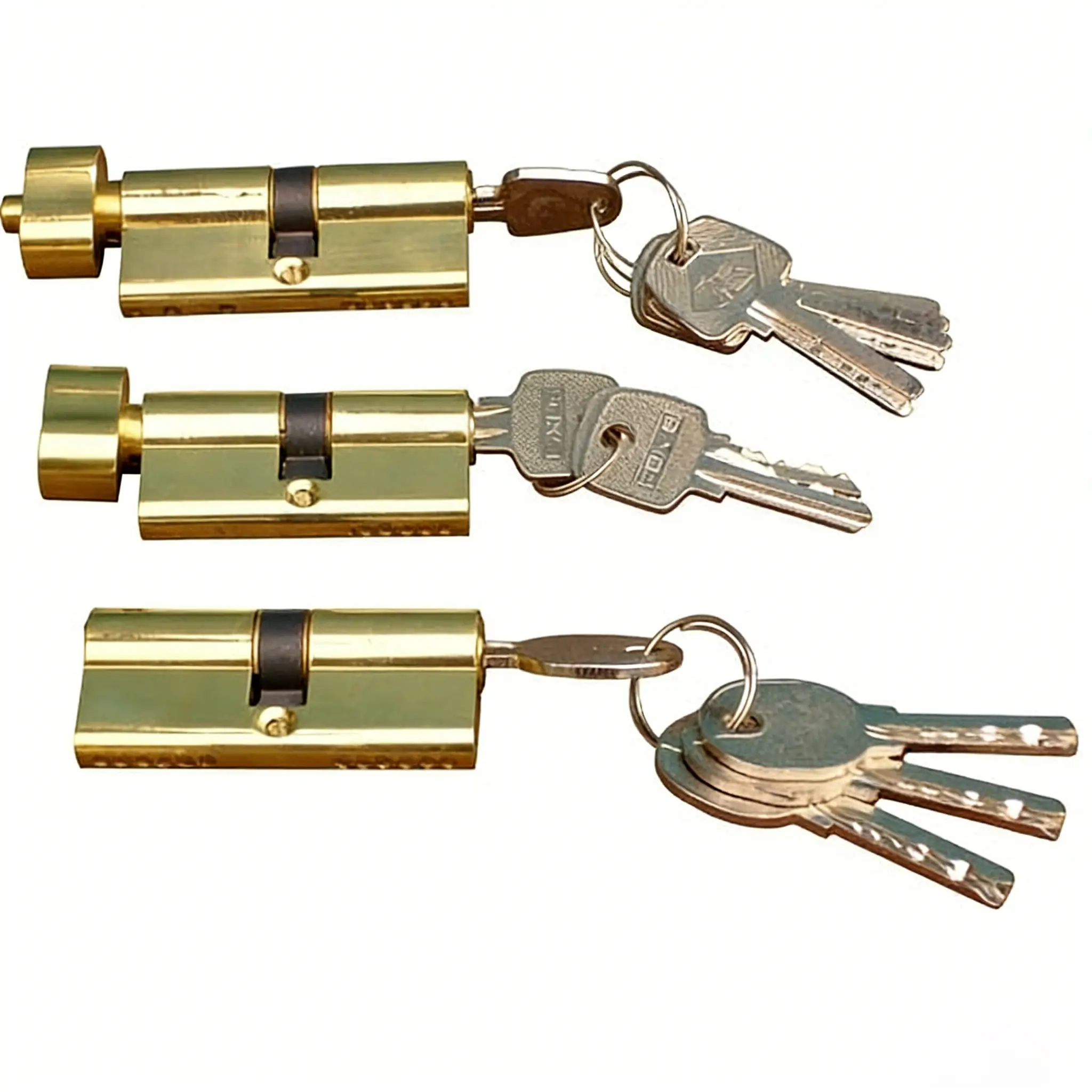
Euro cylinders are available as:
- Double cylinders, operated by key from both sides.
- Single or half cylinders, operated from one side only.
- Key-and-thumbturn cylinders.
- Clutch or emergency-function versions, depending on the design.
The main purchasing challenge is length. A cylinder is usually specified by the distance from the fixing-screw or cam center to each end. An asymmetric door assembly may require different inside and outside dimensions.
A cylinder that projects too far beyond the escutcheon can be more exposed to attack and impact. A cylinder that is too short may be difficult to operate or may not seat correctly with the door furniture.
What Is a Rim Cylinder?
A rim cylinder is generally round and mounts through the exterior face of the door. A tailpiece or connecting bar extends from the rear and operates a lock case installed on the inside surface of the door.
This arrangement is associated with rim night latches and other surface-mounted locks. Because the internal lock case sits on the door face rather than inside a deep mortise, rim cylinders can suit doors where the matching lock design already uses surface mounting.
Important rim-cylinder variables include:
- Outside cylinder diameter.
- Door thickness.
- Tailpiece shape, length, and orientation.
- Connecting-screw spacing and length.
- External rose or trim dimensions.
- Compatibility with the internal rim lock case.
Tailpieces often need to be trimmed or selected for a specific door thickness. Too much length can interfere with operation; too little may fail to engage.
What Is an Oval Cylinder?
An oval cylinder performs a similar role to a Euro cylinder but has an oval external profile. It works with mortise lock cases and door preparations designed specifically for that shape.
Oval cylinders can be supplied in double, single, or thumbturn configurations. They may be common in particular regional door-hardware systems or legacy installations.
An oval cylinder does not fit a Euro-profile opening. Changing profiles may require a new lock case, door preparation, or escutcheon. Replacement programs should match the original profile and dimensions.
Installation Differences
Euro profile and oval cylinders
Both are commonly inserted through a prepared profile opening and secured from the door edge. During installation, the cam must be aligned so the cylinder slides into the lock case. The fixing screw then holds the cylinder in position.
Specify:
- Profile shape and overall dimensions.
- Distance from the fixing center to each cylinder end.
- Cam dimensions and angular position.
- Door and handle/escutcheon thickness.
- Inside/outside orientation.
- Screw thread and required screw length.
Rim cylinders
Rim cylinders pass through a round or prepared opening from the outside and connect to the internal surface-mounted case. Installation depends on screws, a mounting plate, the tailpiece, and the lock-case geometry.
Specify:
- Bore size and outside trim.
- Mounting-hole pattern.
- Door thickness range.
- Tailpiece length and cross-section.
- Direction of rotation.
- Compatibility with the night latch or rim lock.
Door and Market Compatibility
Euro profile cylinders are widely associated with European and international mortise-lock systems. They offer broad configuration choices and are convenient for replacement where the door preparation is standardized around the Euro profile.
Rim cylinders are suited to compatible surface-mounted lock cases. They can be useful on doors where a rim night latch is already installed or where the application calls for that operating format.
Oval cylinders are relevant when the regional hardware system, existing door stock, or customer specification requires the oval profile. They may be less universal across markets, so distributors should confirm local demand before building large inventory.
Profile demand varies by market. Review the installed lock case, door standard, and replacement base before building inventory.
Security Features to Compare
Profile alone does not define security. Buyers may compare:
- Number and design of pin or wafer elements.
- Key-control options and duplication policy.
- Anti-pick features.
- Anti-drill pins, inserts, or protected components.
- Resistance to pulling or forced rotation.
- Anti-snap construction where relevant to the profile.
- Cylinder projection and protective escutcheon design.
- Single- or double-clutch operation.
- Master-key and keyed-alike capability.
Confirm which features are included. Do not accept terms such as “anti-drill” or “high security” without defined construction or test requirements.
Key-and-Thumbturn vs Double-Key Operation
A thumbturn provides keyless operation from inside. Suitability depends on door location, glazing, access-control policy, and building requirements.
A double-key cylinder requires a key on both sides and may affect emergency egress. Confirm local code and door-system requirements.
For hospitality, multi-unit, or commercial projects, define the master-key hierarchy early. A key plan added after production can be difficult or impossible to implement without changing cylinders.
Lock Cylinder Customers We Have Worked With – Manitowoc, EXM, and EMKA
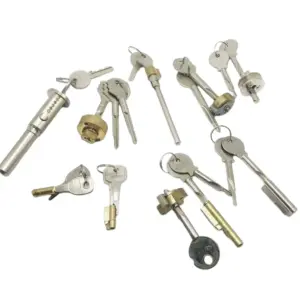
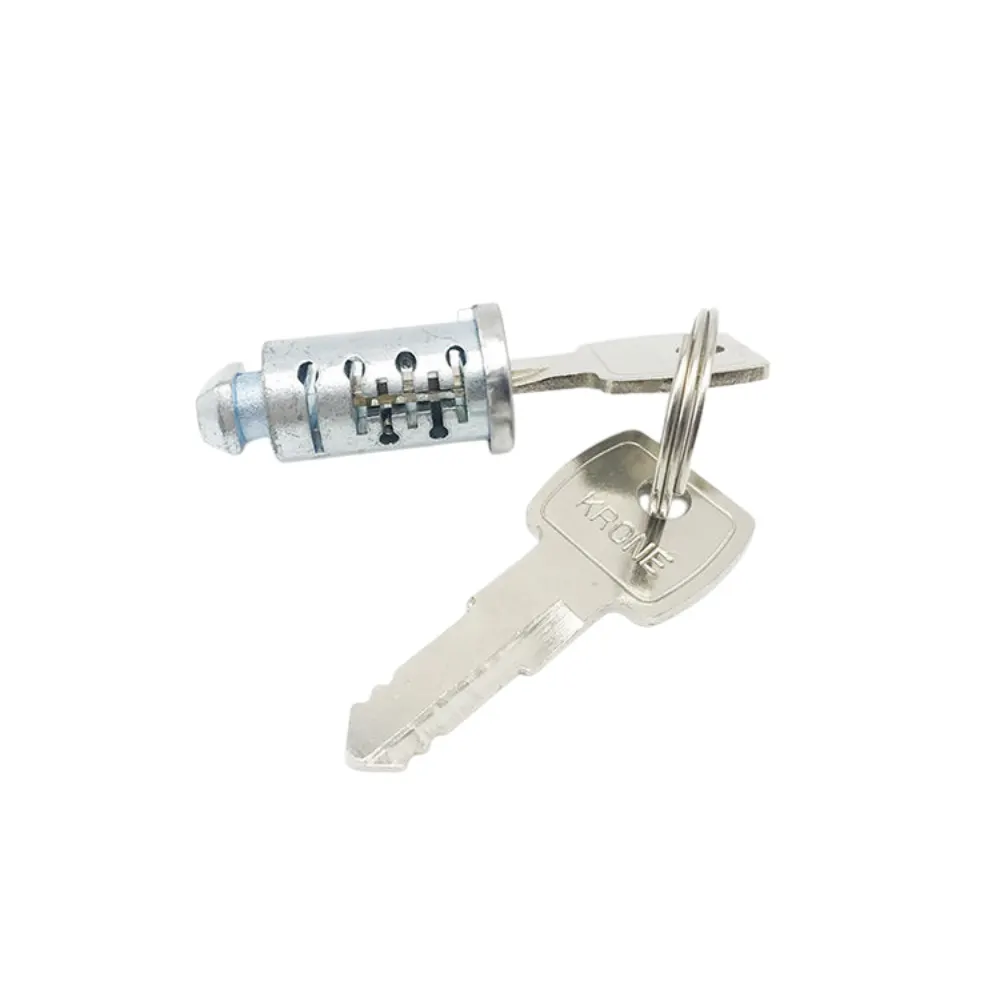
ANLI has developed and supplied lock-cylinder solutions for customers including Manitowoc, EXM, and EMKA. Our experience includes adapting cylinder dimensions, cams and tailpieces, key systems, finishes, and mounting interfaces to fit different equipment and hardware.



Need a cylinder that fits an existing lock or equipment design? Send ANLI your sample or dimensioned drawing, together with the keying, finish, and operating requirements. Our team will review compatibility and recommend an existing, modified, or fully customized solution.
Measuring a Cylinder for Replacement
For a Euro or oval cylinder:
- Identify the fixing-screw or cam center.
- Measure from that center to the exterior end.
- Measure from the same center to the interior end.
- Include the thickness of handles, roses, and security escutcheons.
- Record whether the cylinder is symmetric or asymmetric.
- Confirm cam shape and operation.
For a rim cylinder:
- Measure the door thickness.
- Record cylinder and rose diameter.
- Measure mounting-screw spacing.
- Identify tailpiece shape and required engagement length.
- Confirm the matching internal lock case.
Provide photographs of both sides and the door edge, but use a dimensioned drawing for purchasing.
Selection Summary
Choose a Euro profile cylinder for a compatible Euro mortise-lock system, a rim cylinder for a matching surface-mounted rim lock, and an oval cylinder where the door and lock case are designed around the oval profile. Do not substitute one shape based on appearance or price alone.
ANLI LOCK develops and manufactures lock cylinders and related door-lock hardware for distributors and OEM customers. Send a sample or dimensioned drawing, key-system requirement, cam or tailpiece details, finish, operating function, and target market through the contact page for compatibility and customization review.