The shackle is the most visible part of a padlock and often the first part a buyer compares. A thicker shackle may look stronger, but diameter alone does not determine security. Material, heat treatment, exposed length, internal clearance, locking method, body construction, and the hardware being secured all matter.
For wholesalers and OEM buyers, the goal is not to order the largest shackle available. It is to choose a shackle that fits the application while limiting tool access and providing suitable resistance to cutting, corrosion, pulling, and twisting.
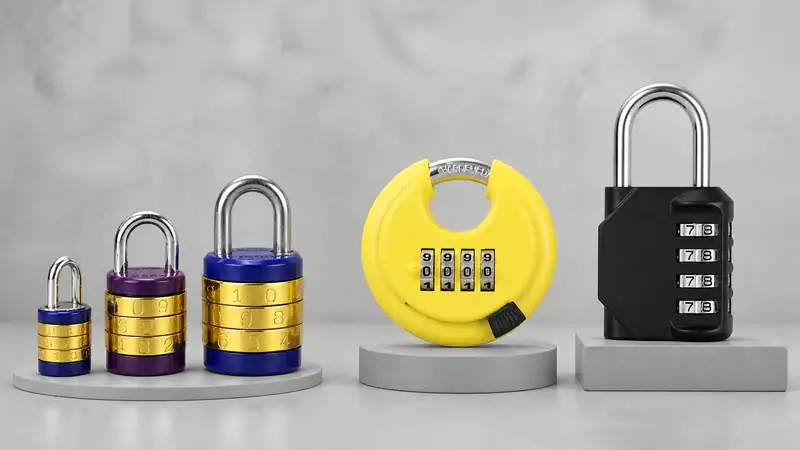
This guide explains how shackle diameter, material, and clearance work together, and what information buyers should provide when sourcing a padlock.
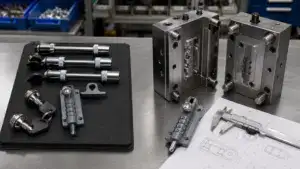
For OEM projects, these parameters can be engineered as a system. ANLI can adapt shackle diameter, internal clearance, length and form, material and heat treatment, plating or coating, lock-body construction, keying, color, logo, and packaging after checking the mating hasp or a dimensioned drawing.
What Is Padlock Shackle Diameter?
Shackle diameter is the thickness of the metal bar that forms the U-shaped, straight, cable, or partially concealed locking element. It is normally measured across the round bar with a caliper.
A larger diameter generally increases the amount of material that must be cut or deformed. It may also increase resistance to bending and pulling. However, a thicker shackle creates three possible problems:
- It may not pass through the hasp, chain, eyelet, or locker fitting.
- It may leave too little working clearance for easy installation.
- It can create a false sense of security if the body, latch, or attached hardware is weaker.
The useful specification is therefore not “the thickest possible shackle.” It is the thickest suitable shackle that fits the complete locking interface without excessive gap.
Why Material Matters as Much as Diameter
Two shackles with the same diameter can perform very differently because of material and processing.
Hardened steel
Hardened steel is widely used when cutting and sawing resistance are priorities. Heat treatment increases hardness, but the process must be controlled. Excessive hardness can reduce toughness, while inadequate treatment may leave the material easier to cut.
Because carbon steel can corrode, it normally requires plating, coating, a protective sleeve, or another surface treatment for outdoor use.
Stainless steel
Stainless steel is useful in wet, coastal, food-service, and outdoor environments because of its corrosion resistance. Different stainless grades have different mechanical and corrosion properties; the term “stainless” alone is not a complete specification.
Stainless steel may be the better life-cycle choice where rust could cause seizure or staining, even if a hardened alloy-steel shackle offers higher resistance to a particular cutting test.
Boron or alloy steel
Selected high-security padlocks use boron-alloy or other alloy-steel shackles to combine hardness, strength, and toughness. Buyers should request verified material and test information rather than assuming every “hardened” shackle uses the same alloy or process.
Brass
Brass offers good corrosion resistance and is common in lock bodies, but it is generally not the first choice for a high-security shackle. Brass-shackle products can still suit low-risk or corrosion-sensitive applications where convenience and environmental durability matter more than maximum attack resistance.
Understanding Shackle Clearance
Shackle clearance describes the usable space inside the closed shackle. Buyers usually need two dimensions:
- Horizontal clearance: the internal width between the shackle legs.
- Vertical clearance: the internal height from the top of the lock body to the inside of the shackle.
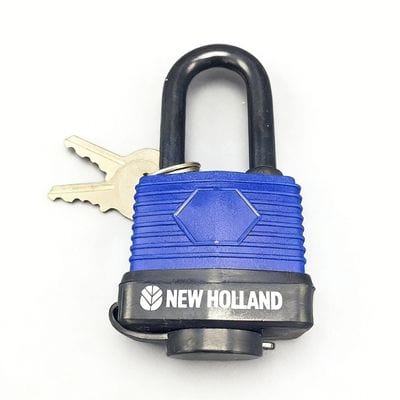
Long-shackle padlocks provide more room and are easier to use with awkward chains or deep hasps. That convenience also exposes more metal to cutting, leverage, and twisting tools.
A short-clearance shackle keeps the protected hardware close to the lock body. A closed-shackle or discus design shields even more of the shackle, reducing access. The trade-off is compatibility: concealed-shackle designs will not fit every chain or hasp.
Diameter, Clearance and Security Work as a System
Consider three common situations.
Locker or indoor cabinet
The hasp hole may be small, and the risk level may be moderate. A compact padlock with a modest shackle diameter and short clearance can provide a practical balance of fit, cost, and usability. Corrosion exposure is limited, so a plated shackle may be sufficient.
Outdoor gate
The lock may face rain, dust, temperature changes, and frequent handling. A weather-resistant body, suitable drain design, protected keyway, and corrosion-resistant shackle finish are important. The hasp should minimize exposed shackle length.
Warehouse shutter or high-value storage
Tool access becomes a major concern. A heavy shackle, shielded or closed-shackle body, robust locking mechanism, reinforced hasp, and controlled key system may all be required. Increasing shackle diameter without upgrading the hasp does not solve the full problem.
Straight, Long, Closed and Flexible Shackles
The shackle form also changes performance.
- Standard U-shackles are versatile and economical.
- Long shackles reach through deep or separated fittings but expose more material.
- Closed-shackle padlocks cover much of the shackle with the body.
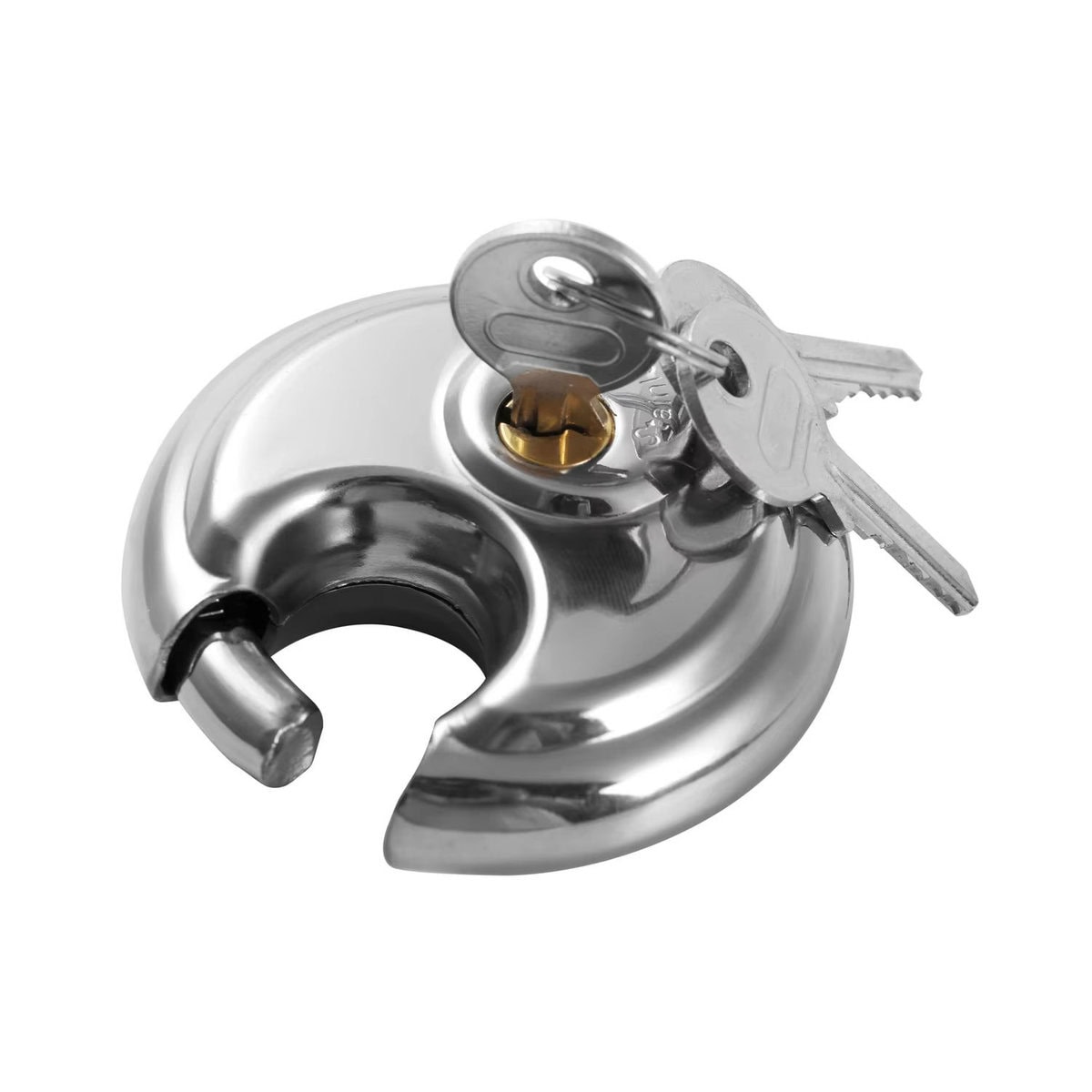
- Discus padlocks leave only a small shackle opening and work well with compatible hasps.
- Straight-shackle or shutter padlocks can protect sliding-door fittings and containers.
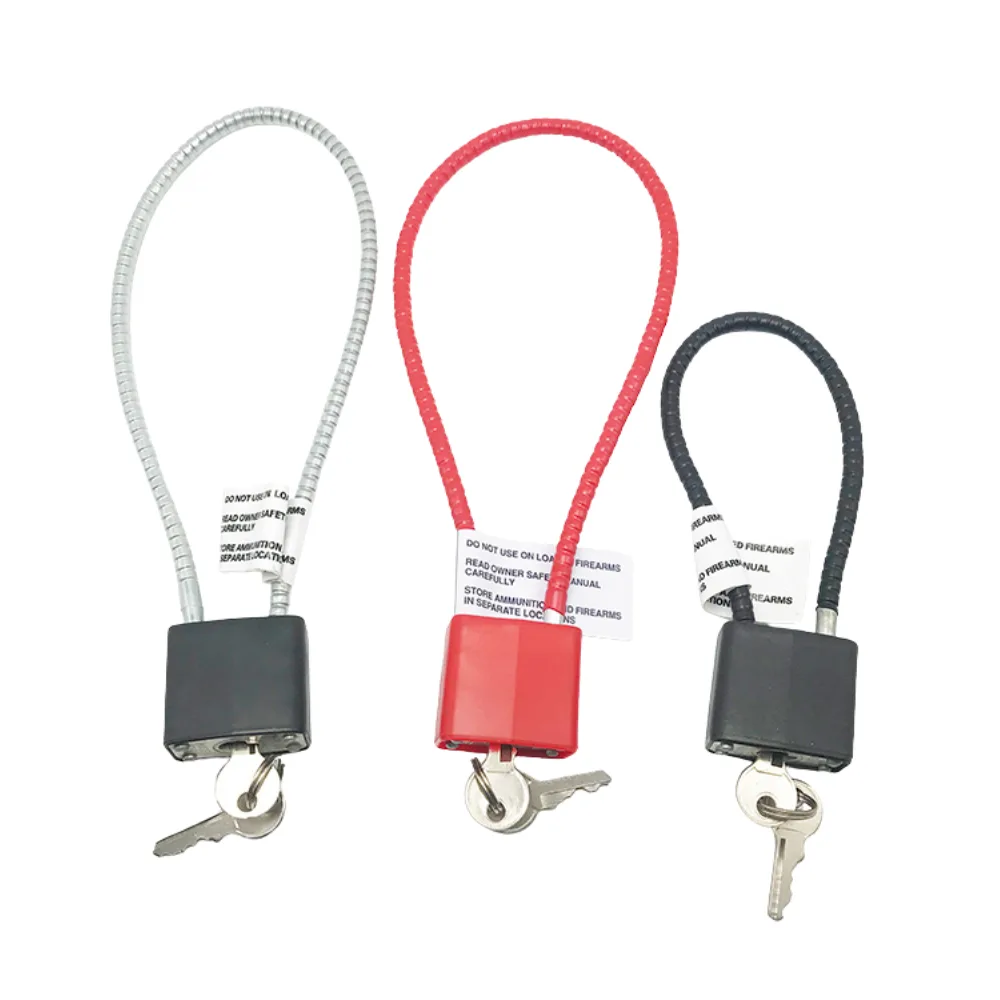
- Cable shackles provide flexibility but normally serve a different risk level than solid steel.
Choose the form after reviewing the actual interface. Product drawings should show diameter, horizontal clearance, vertical clearance, overall height, and body dimensions.
The Locking Mechanism Behind the Shackle
Shackle strength is wasted if the internal locking points release easily. Lower-cost padlocks may lock on one side of the shackle, while higher-security designs can use double locking. Ball-bearing mechanisms are often selected where resistance to pulling and shimming is important.
Buyers should also ask whether the shackle is removable, captive, spring-loaded, or manually operated. These details affect assembly, use, servicing, and the risk of losing components.
Corrosion Can Become a Security Problem
Corrosion is not only cosmetic. Rust can reduce effective cross-section, block movement, damage plating, contaminate nearby surfaces, and make a lock difficult to open. In harsh environments, users may leave a failed lock unsecured or force it open.
Specify the environment before choosing materials:
- Indoor dry use.
- Outdoor sheltered use.
- Direct rain and dust.
- Coastal or salt exposure.
- Refrigerated or high-condensation areas.
- Industrial environments with chemicals or cleaning agents.
If a supplier provides salt-spray or corrosion-test results, confirm the test method, duration, sample preparation, and acceptance criteria. A test-hour number without failure definitions is incomplete.
How to Measure the Hardware Being Secured
Before selecting a padlock:
- Measure the smallest hole the shackle must pass through.
- Measure the combined thickness and spacing of the hasp, chain, or eyelets.
- Determine the minimum horizontal and vertical clearance needed for easy use.
- Check whether the body can sit close enough to limit leverage.
- Confirm that surrounding parts will not block key insertion or shackle rotation.
- Test the actual sample on the final hardware.
Allow enough tolerance for real production and field use, but avoid unnecessary clearance.
ANLI LOCK – OEM Shackle and Padlock Customization
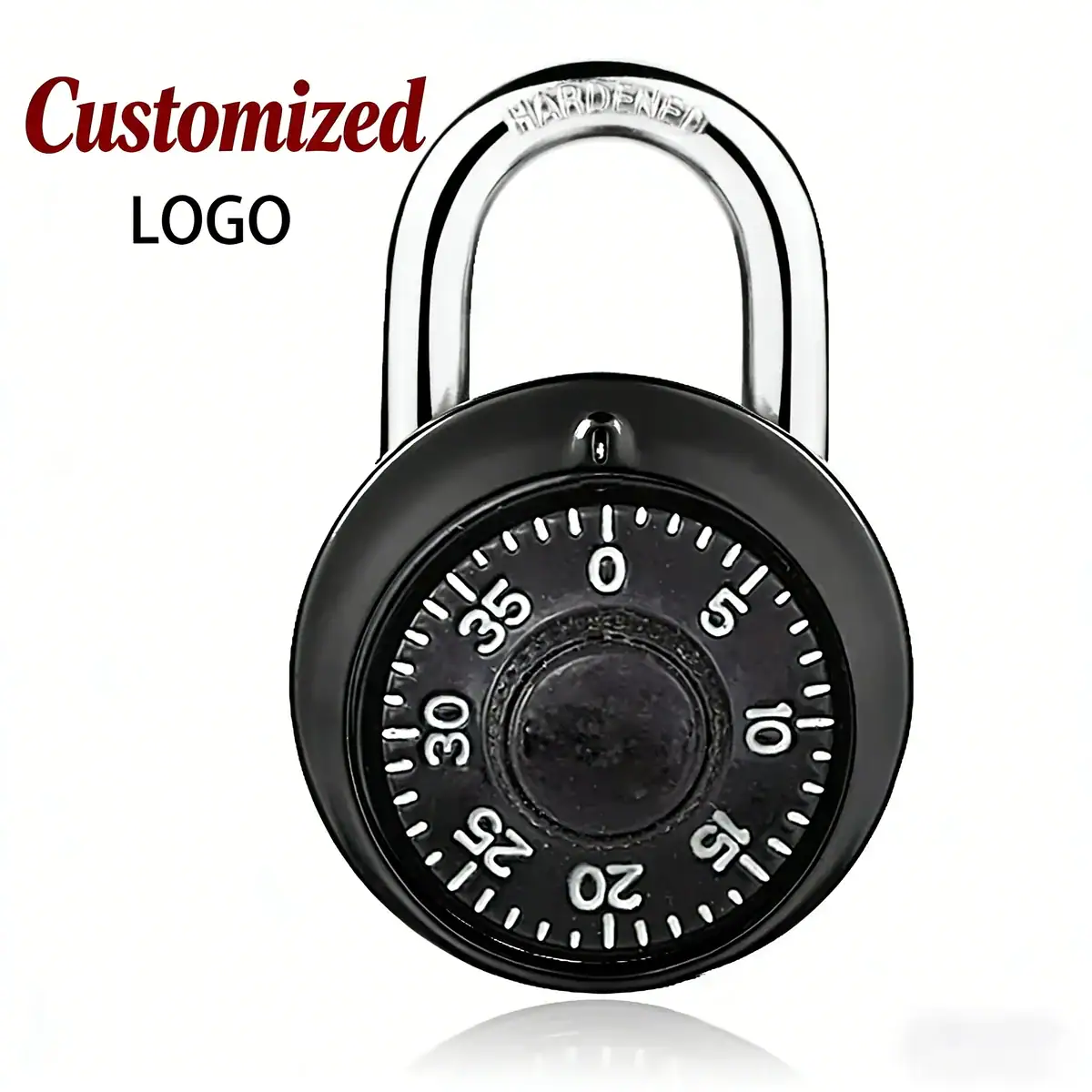
ANLI’s role is not limited to selecting a catalog padlock. The factory can compare existing bodies and mechanisms, modify a shackle or interface, coordinate material and surface-treatment choices, prepare samples, and validate fit and operation against the customer’s hardware. Where an existing platform cannot meet the requirement, the project can be evaluated for new components or tooling.
 |
 |
 |
 |
 |
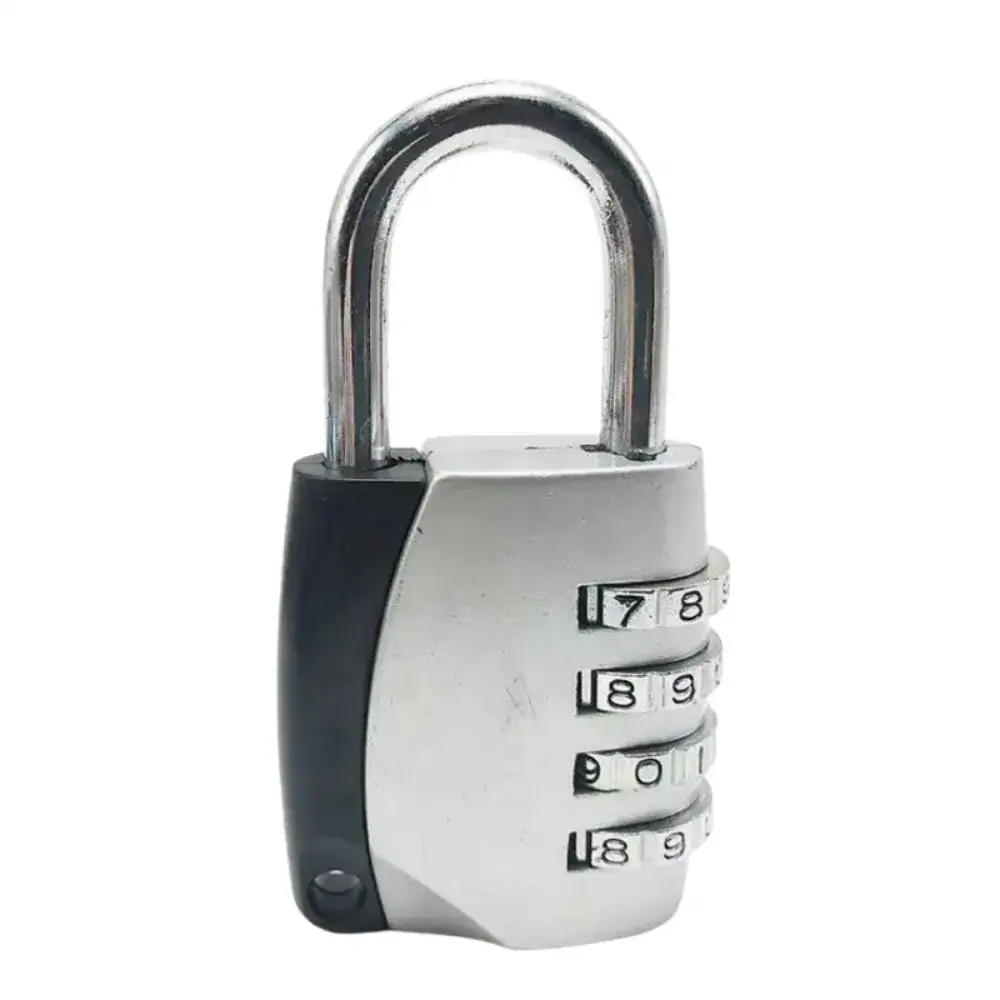 |
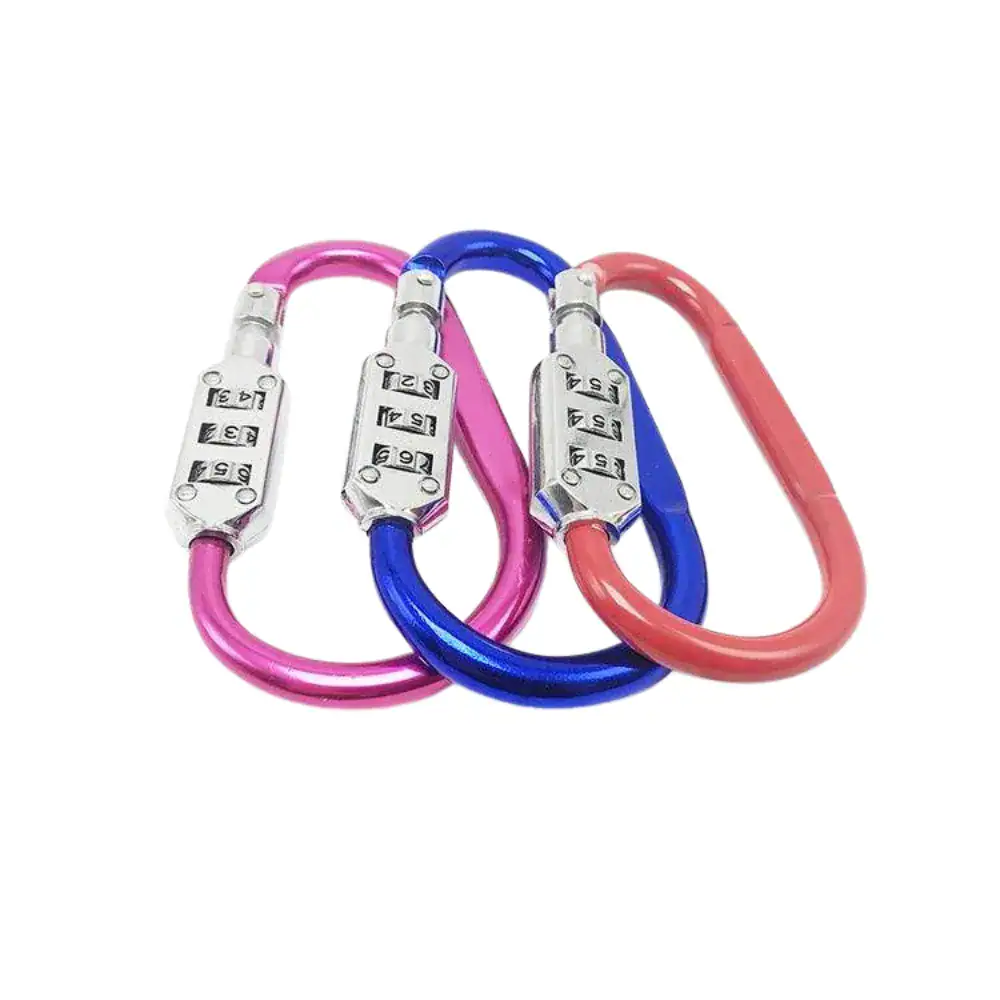
Select padlock shackles by balancing fit, exposed length, material, diameter, corrosion resistance, and the strength of the complete locking assembly. For higher-risk applications, reduce accessible shackle space before simply increasing size.
ANLI LOCK manufactures brass, zinc-alloy, laminated-steel, stainless-steel, combination, weather-resistant, cable, and discus padlocks, with keyed-alike systems and OEM options for shackle geometry, logo, color, and packaging. Send the hasp dimensions, application environment, desired shackle clearance, security priorities, and keying requirements through the contact page for an engineering review.
Buyer’s RFQ Checklist
Include the following information when requesting a quotation:
- Shackle diameter and internal clearance.
- Standard, long, straight, discus, or closed-shackle form.
- Preferred material and finish.
- Indoor or outdoor environment.
- Required body material and dimensions.
- Keyed or combination operation.
- Keyed different, keyed alike, or master-key requirements.
- Single- or double-locking preference.
- Logo method, color, and packaging.
- Target tests or customer specifications.
- Target price range and commercial requirements.
If the required combination is unusual, provide the mating hasp or a dimensioned drawing. A manufacturer can then check whether an existing model fits or whether a modified shackle is required.
Common Buying Mistakes
The first mistake is choosing by appearance alone. A large padlock can still contain a weak cylinder, latch, or body.
The second is ignoring the hasp. Attackers may cut thin chain, remove exposed screws, or bend the fitting instead of attacking the shackle.
The third is using a long shackle for convenience when a short one fits. Extra clearance increases access for tools.
The fourth is treating all stainless or hardened steel as identical. Material grade, heat treatment, diameter, and manufacturing consistency should be defined.