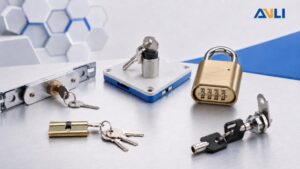
This padlock material comparison has a simple answer. Choose brass for balanced corrosion resistance and a premium look. Choose protected or stainless steel when strength and abuse resistance matter. Choose aluminum when low weight and color coding are priorities. The shackle, cylinder and finish must still match the application.
Padlock Material Comparison at a Glance
| Body material | Main strengths | Main limits | Typical B2B fit |
| Brass | Good corrosion behavior; precise machining; familiar premium appearance | Heavier and often more costly than aluminum; not equal to hardened steel for attack resistance | General outdoor use, lockers, gates and branded retail ranges |
| Steel | High strength potential; suits laminated and heavy-duty designs | Carbon steel needs suitable protection; grade and heat treatment matter | Industrial sites, warehouses, transport and high-abuse use |
| Aluminum | Low weight; good color and logo options; useful corrosion behavior | Usually lower body hardness than steel; not ideal for every high-threat site | Lockout/tagout, equipment identification and lightweight programs |
The table compares body materials. It does not rank complete locks. Body thickness, shackle grade, heat treatment, cylinder design, coating and manufacturing quality can change the result.
When Should Buyers Choose Brass Padlocks?
Solid brass is common in commercial padlocks. It handles many humid and outdoor conditions better than unprotected carbon steel. It also machines well for lock bodies and cylinder parts.
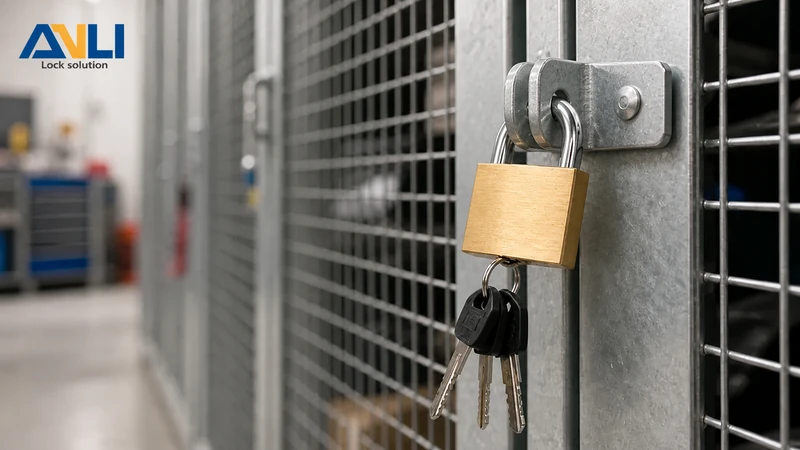
Brass offers a familiar, high-value appearance. This can help distributor and private-label ranges. It works well for gates, lockers, storage and general access when the full design suits the threat and exposure.
Do not treat brass as a high-security claim. Cutting resistance depends heavily on the shackle. Pull and impact resistance depend on the body shape, dimensions and internal construction. Ask for test data that matches the final lock.
When Is Steel the Better Padlock Material?
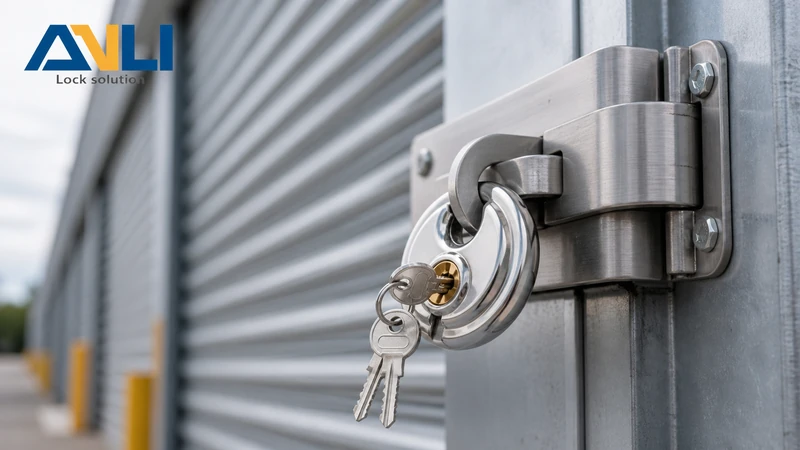
Steel supports robust lock bodies and hardened shackles. Laminated steel padlocks are widely used in industrial programs. Stainless steel discus designs can also reduce exposed shackle and improve corrosion performance.
The word steel is not enough for an RFQ. Name the body construction, steel grade, shackle grade, heat treatment and finish. Carbon steel can rust when plating or coating is damaged. Stainless grades also differ in corrosion behavior.
Steel is a strong option for warehouses, transport yards and exposed equipment. It may add weight. It may also need a protective cover or drainage detail in wet service.
When Does Aluminum Make Sense?
Aluminum reduces carry weight. It also accepts anodized colors and clear identification. These features suit lockout/tagout, maintenance teams and organized access programs.
Aluminum is not the first choice for every high-threat location. Buyers should compare body hardness, shackle exposure and likely attack methods. A lightweight body can be ideal for process control but unsuitable for a remote outdoor asset.
ANLI’s public padlock category should be used to confirm current standard models. If an aluminum body is required, ask the factory to confirm OEM feasibility, tooling, finish and minimum order requirements before promoting the product.
How Do Corrosion and Environment Change the Choice?
A coastal site, indoor locker room and dry warehouse need different protection. Salt, condensation and cleaning chemicals can attack the body, shackle, springs and cylinder. Specify exposure and acceptance criteria instead of asking only for a generic salt-spray hour.
Design also matters. Water traps, unsealed joints and mixed metals can create local corrosion. A cover can limit direct contamination. Drainage can help remove water. Test the production-intent assembly after the final finish is applied.
Why the Shackle and Cylinder Matter as Much as the Body
A padlock material comparison is incomplete without the shackle. State its material, diameter, exposed height and horizontal clearance. Ask whether it is hardened. Shorter exposed shackles can reduce tool access, but they must still fit the application.
The cylinder and key plan control access. Buyers may need keyed alike, keyed different or master keying. Outdoor programs may also need a keyway cover. Treat these items as one assembly specification.
Use the same dimensions and test criteria for every option in a padlock material comparison. Otherwise, the result may reflect a different shackle or coating instead of the body material.
OEM Padlock RFQ Checklist
- Application, asset value and expected attack risk.
- Indoor, outdoor, coastal or chemical exposure.
- Body material, dimensions and construction.
- Shackle material, heat treatment, diameter and clearance.
- Cylinder type, keying plan and keys per lock.
- Finish, color, logo and packaging.
- Corrosion, cycle, pull or impact test requirements.
- Sample approval and repeat-order controls.
Choose the Right Padlock Build With ANLI
ANLI has manufactured lock products since 1998 and supports custom design, specification, logo and packaging. Send your application, target market, quantity and test requirements through the contact page. We can use this padlock material comparison to recommend a production-intent sample.
Frequently Asked Questions
Is brass always better than steel outdoors?
No. Brass has useful corrosion resistance, but protected or stainless steel may be better for strength or a specific environment. Compare the whole assembly and test method.
Are aluminum padlocks suitable for security?
They can control access in many applications. They are especially useful when weight and color coding matter. High-threat sites may need a stronger body and shackle design.
What should buyers test before mass production?
Test final samples for fit, key operation, cycle life and the agreed corrosion or mechanical loads. A useful padlock material comparison must use the same finish, shackle and cylinder planned for production.