If you have just lost your keys and are worried about a potential break-in, your first thought might be that you need to change the locks entirely. However, completely replacing all your door hardware sounds like a time-consuming and labor-intensive project.
Fortunately, there is a clever trick that saves both time and effort: rekeying a lock. In this article, I will explain exactly what it means to rekey your locks, when you should use this method, how much it costs, and the DIY process if you want to tackle it yourself.
What Does Rekeying a Lock Mean?
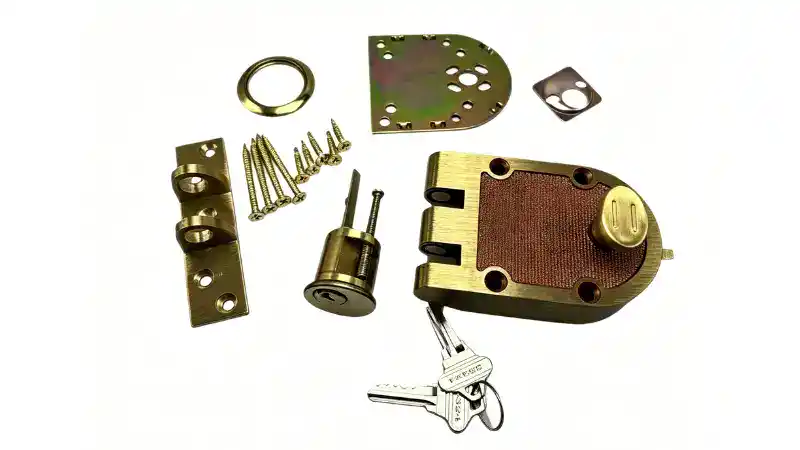
Simply put, rekeying a lock is the process of altering the internal mechanics of your existing hardware so that it works exclusively with a new key.
Think of the inside of your door locks as a mechanical puzzle. Inside standard pin and tumbler locks, there is a lock cylinder filled with tiny, spring-loaded pins (usually 5 pins in a standard residential lock). When a locksmith comes to rekey a lock, they take the cylinder out, remove the old pins, and replace them with new pins that match the unique ridges of a brand new key.
Once the locksmith takes the time to reassemble the lock, it will only accept the new key. Any old key you used to slide into the keyhole will be completely useless. You get the security of a new lock while keeping your existing doorknobs and deadbolts right where they are.
When You Should Rekey Your Locks
There are several fantastic reasons why you might want to rekey instead of replacing everything:
- You Moved Into a New Home: Even if the previous owners handed over their keys, you have no idea who else has the previous keys. Neighbors, dog walkers, or contractors could still have many copies.
- You Lost Your Keys: If your keys are lost or stolen, rekeying instantly blocks whoever finds them from opening your entry lock.
- You Want the Convenience of a Single Key: If your front door, back door, and garage all require different keys, a locksmith can rekey all of them so you only need one key (a matching key) to open every door in your house.
- Roommate or Tenant Changes: When someone moves out, rekeying your locks ensures they can’t let themselves back in uninvited.
How Much Does Rekeying Locks Cost?
Rekeying is a highly cost-effective way to save money. Because you are only paying for tiny metal pins and labor rather than heavy brass or steel lock hardware, it is significantly cheaper than replacing everything.
Generally, locksmiths charge a service call fee to come out to your house, which usually ranges from 50 USD to 100 USD. On top of that, they charge a small fee per lock cylinder they rekey, typically between 15 USD and 30 USD. If you decide to go the DIY route, a rekeying kit usually costs around 15 USD to 25 USD at a local hardware store.
Can You Rekey Your Own Locks? DIY vs. Hiring a Locksmith
Technically, yes. You can buy a rekeying kit at your local hardware store. However, hiring a locksmith is usually the smarter route for most people.
Rekeying requires special tools to pop off the lock’s retaining clips, and the internal pins are incredibly tiny. If you make a mistake while trying to reassemble the cylinder, springs and pins can go flying across the room, leaving your door locks completely broken. Service professionals do this all day long and can successfully rekey the locks on your entire house in a fraction of the time it would take a beginner.
DIY Rekeying: Step-by-Step Guide to Rekey Your Own Lock
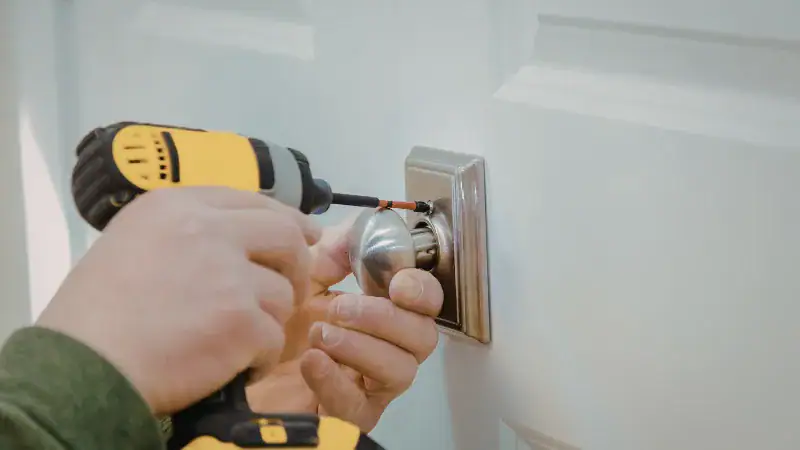
If you are handy and want to tackle this cost-effective project on your own, you will first need to purchase a brand-specific rekeying kit from a hardware store. Ensure the kit matches the exact brand of your current locks (e.g., Kwikset or Schlage).
- Remove the Hardware: Use a screwdriver to unscrew and remove the existing hardware (doorknob or deadbolt) from your door.
- Extract the Lock Cylinder: Use the specialized tool included in your kit to pop off the retaining ring or C-clip at the back of the knob. You will usually need to insert the old key and turn it slightly to slide the lock cylinder free.
- Remove the Old Pins: Gently push the inner cylinder plug out using the cylindrical “follower” tool provided in the kit. Be extremely careful to keep constant pressure between the plug and the follower; otherwise, the upper springs will shoot out! Dump the old lower pins.
- Insert the New Pins: Slide your new key into the empty cylinder plug. Using the tweezers and the color-coded guide in your kit, insert the new standard pin sizes into the corresponding holes so they sit perfectly flush with the cylinder’s edge (the shear line).
- Reassemble the Lock: Slide the plug back into the housing, using it to gently push the follower tool out. Secure it with the retaining ring, test the new key to ensure it turns smoothly, and then reinstall the door hardware back onto your door.
Rekeying vs Changing Your Locks: How to Choose
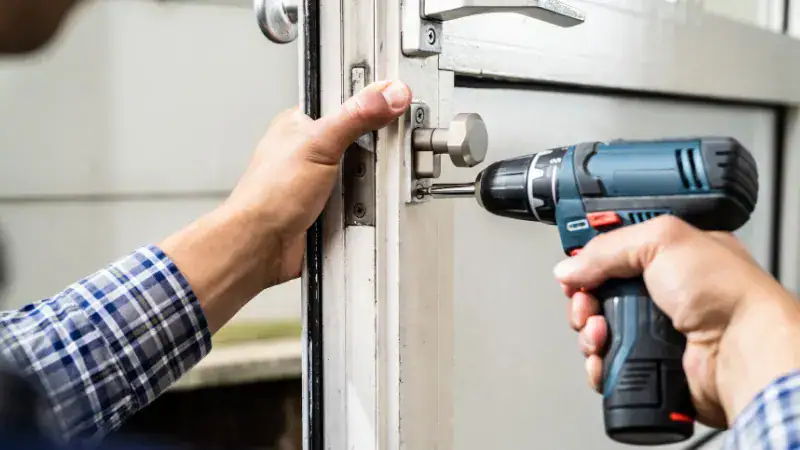
So, when should you rekey or change your locks entirely? Here is a simple breakdown to help you choose:
- Choose to Rekey When: You are happy with the style and color of your current door hardware, your locks function smoothly, and you simply want a new key for better security and peace of mind.
- Choose to Replace When: Your locks are old, rusty, or difficult to turn. You should also choose to replace your lock if you want to upgrade to smart locks, keyless entrypads, or a higher security system. If the physical lock is failing, rekeying won’t fix it; you need to change it out.
FAQs
Are all locks rekeyable?
Most standard residential locks, including doorknobs and deadbolts, are designed to be rekeyable. However, if you are mixing different brands (like Schlage and Kwikset), they might use different keyways and cannot be keyed to match each other.
Does rekeying damage my lock?
Not at all! When done correctly by a professional, rekeying simply changes the “password” of the lock. It does not weaken the quality lock or damage your existing door.