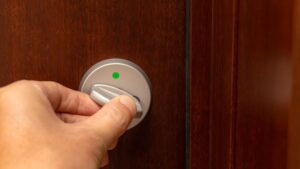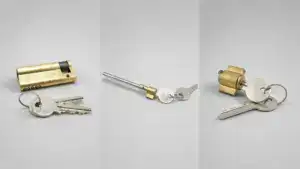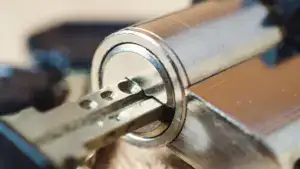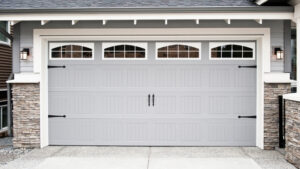
A weather-resistant garage door lock should be specified as a complete installed assembly, not by asking for “stainless,” “waterproof” or a salt-spray-hour number. Define the climate, direct exposure, materials and finishes for each component, drainage, door interface, functional tests and acceptance criteria.
Start With the Real Exposure
“Outdoor use” covers very different conditions. A lock under a deep canopy in a dry inland location does not face the same risk as a roller-shutter lock exposed to coastal salt, road spray or industrial cleaning chemicals.
Describe the installation:
- Sheltered or directly exposed to rain.
- Inland, coastal, industrial or cold-climate location.
- Horizontal or vertical surfaces where water can collect.
- Dust, sand, condensation, de-icing salt or wash-down exposure.
- Expected temperature range and freeze-thaw conditions.
- Cleaning agents, frequency and application method.
Include photographs and a door-section drawing. Exposure around the external cylinder may differ from conditions inside the door curtain or panel.
Specify Every Material and Surface
A garage-door lock can combine a cylinder, housing, handle, bolt, cam, rods or cables, springs, screws, brackets and trim. One corrosion-resistant part does not protect the rest of the assembly.
For each critical component, state the substrate and protective system. “Zinc plated” is incomplete without the agreed process, appearance and performance requirement. “Stainless steel” is also incomplete unless the grade, finish and relevant component are identified.
Pay special attention to cut edges, formed corners, threads, welds and contact between dissimilar metals. These areas may behave differently from a flat plated sample. The fasteners supplied with the lock should be included in the review.
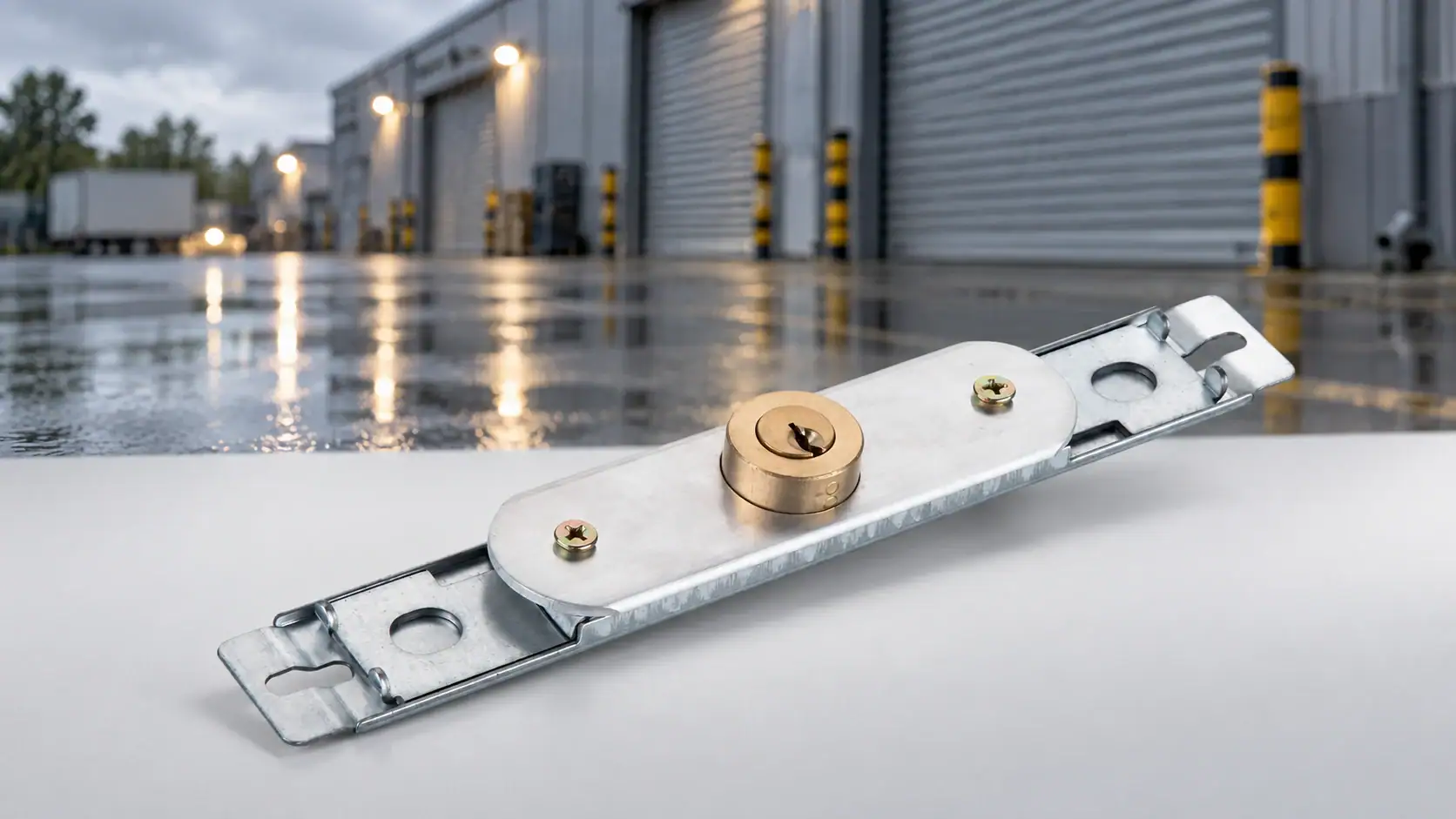
ANLI’s garage-door and roller-shutter lock range covers keyed assemblies, shutter locks, cable mechanisms and emergency-release products. The correct platform depends on door geometry and exposure as well as lock style.
Control Water Entry, Drainage and Contamination
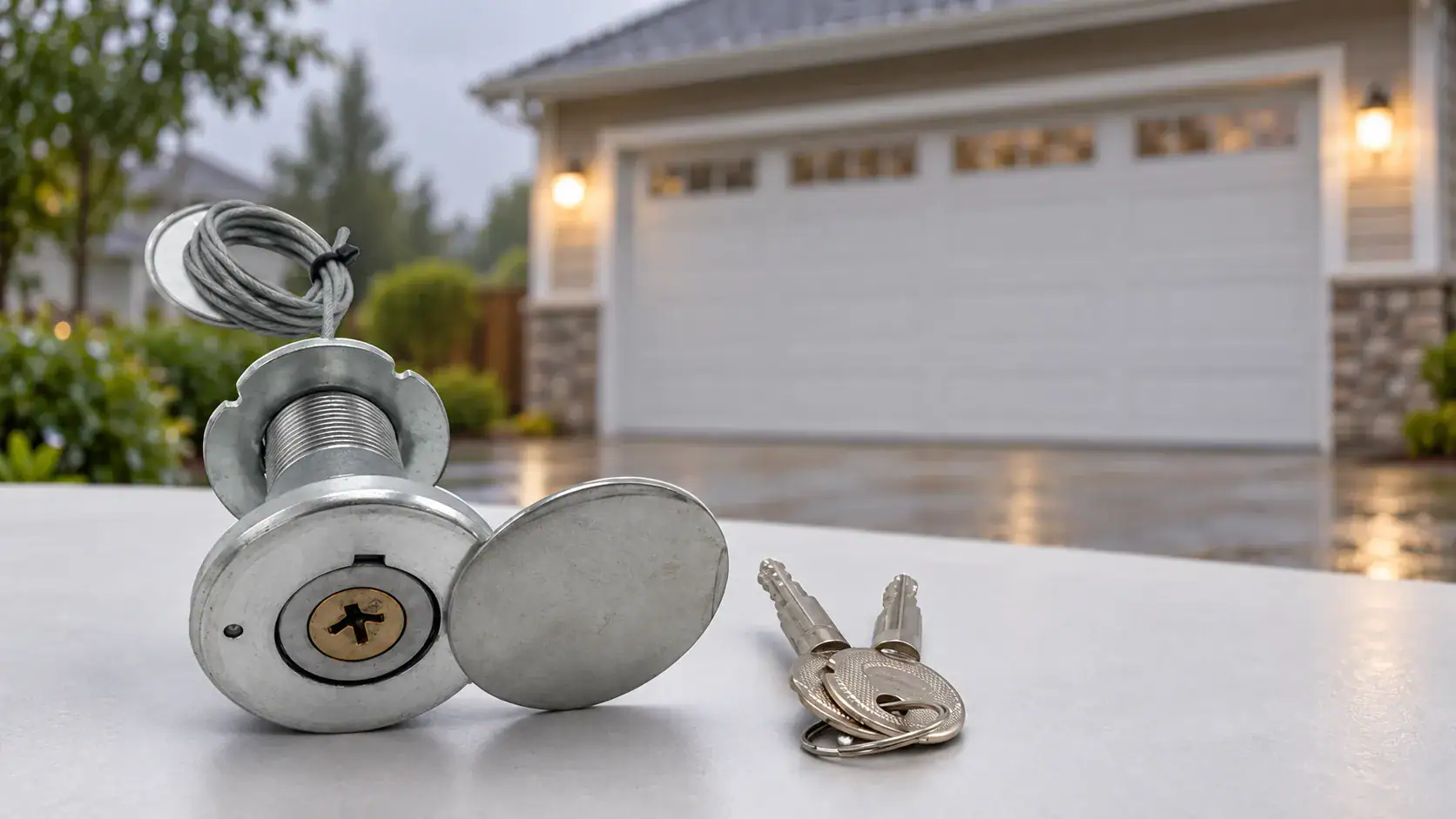
Weather resistance does not always mean a completely sealed lock. Some mechanical assemblies need drainage and ventilation so water cannot remain around the cylinder, spring or cable termination.
Review:
- Cylinder face orientation and protective shutter or cap.
- Seals, gaskets and interfaces around external trim.
- Drain holes and the installed direction of drainage.
- Cable sleeves, end fittings and water-travel paths.
- Crevices that collect dirt or cleaning residue.
- Lubricant compatibility with dust, temperature and materials.
Do not claim an IP rating for a lock or door assembly unless the defined configuration has been tested to the applicable method and acceptance criteria.
Define Corrosion Testing Correctly
Neutral salt spray under ISO 9227 can reveal coating pores and other discontinuities, but the standard does not select the exposure time or interpret the result for a particular product. The purchasing specification must define those items.
If the project uses a building-hardware corrosion classification, state the applicable standard, edition and required grade. Do not substitute an isolated hour value for a product classification without checking how the classification applies.
A useful test requirement includes:
| Item | What the buyer should define |
| Method | Named customer, national or international procedure and edition |
| Samples | Production-intent lock, cylinder, cable or rods, fasteners and mounting parts |
| Preparation | Cleaning, masking, mounting angle and any scribed or cut edges |
| Exposure | Agreed duration and inspection points |
| Visual limits | Permitted red rust, white corrosion, blistering, staining or coating loss |
| Function | Key rotation, handle movement, cable/rod travel, latch release and relocking |
| Reporting | Photographs, affected components, replicate results and final disposition |
ANLI’s article on salt spray testing for garage door locks explains why chamber hours should not be converted directly into outdoor service years.
Validate Function on the Door
A lock can pass a coating inspection and still fail in service. Corrosion products, swelling seals, trapped grit or a bent mounting plate may increase operating force. Door misalignment can load the bolt, rods or cable.
Test production-intent samples on a representative door. Record key torque or handle force where the project has limits. Complete the full sequence before and after environmental exposure, including unlocking, manual release where applicable, relocking and key removal.
Combine corrosion work with agreed cycle, temperature, water-management and door-slam tests when the risk justifies them. The test plan should reflect the actual failure modes rather than treating one laboratory exposure as proof of all-weather performance.
Dimensions and Door Interfaces Still Matter
Provide the panel thickness, cut-out, mounting-hole pattern, cylinder projection, rod or cable length, stroke, keeper position, rotation direction and inside clearance. State whether the door uses a center lock, side lock, bottom lock or emergency-release system.
Freeze the drawing and bill of materials at sample approval so repeat orders use the validated configuration.
What to Put on the RFQ and Purchase Order
Include the door drawing, exposure description, component material schedule, finish requirements, keying plan, test method, sample configuration, acceptance limits, logo, packaging and annual volume. Require change control for substrates, plating suppliers, coating thickness, seals and lubricants that affect outdoor performance.
Garage-Door Lock Program Experience
ANLI has supported garage-door and roller-shutter lock programs for companies including SOMMER, DoorHan, Nice and ALUTECH. This experience helps our team identify practical requirements involving door interfaces, outdoor exposure, keying, installation hardware and repeat-production control. Each new project is still developed against its own drawings, production-intent samples and agreed validation criteria.



Build a Verifiable Outdoor Lock Specification
Send ANLI your door drawing, installation photos, climate and contaminant exposure, component requirements, test method, acceptance criteria, key plan and forecast volume through the contact page. We can review the application and prepare a production-intent sample plan for your weather-resistant garage door lock.
Frequently Asked Questions
Does stainless steel make the complete lock weather-resistant?
No. Grade, finish, other metals, joints, cylinder construction, fasteners, drainage and installed function all matter.
How many salt-spray hours should a garage lock pass?
There is no universal number for every application. Use the customer or market requirement and define the sample, method, duration, visual limits and post-test function.
Is weather-resistant the same as waterproof?
No. Weather resistance can rely on protection, drainage and continued function. A waterproof or IP claim needs a defined test for the stated configuration.