Choose a closed-shackle padlock when the application needs to reduce access for cutters, saws or leverage tools and the hasp can fit inside the protected opening. Choose an open-shackle padlock when easy engagement, broad hardware compatibility and faster operation are more important. Neither design is automatically secure: the shackle, body, locking points, cylinder and hasp must work as one assembly.
Closed-Shackle vs Open-Shackle Padlocks at a Glance
| Factor | Closed-shackle padlock | Open-shackle padlock |
| Shackle exposure | Body shields much of the shackle | More of the U-shaped shackle is accessible |
| Tool access | Generally more restricted | Depends strongly on clearance and hasp design |
| Hardware fit | Requires compatible hasp or eye geometry | Fits a wider range of chains, gates and fittings |
| Ease of use | Alignment can be less forgiving | Usually quicker to position and close |
| Common formats | Shrouded, discus and straight/shutter designs | Standard short- and long-shackle designs |
| Main sourcing risk | Lock does not physically fit the mating hardware | Excess clearance leaves room for tools and leverage |
What Is an Open-Shackle Padlock?
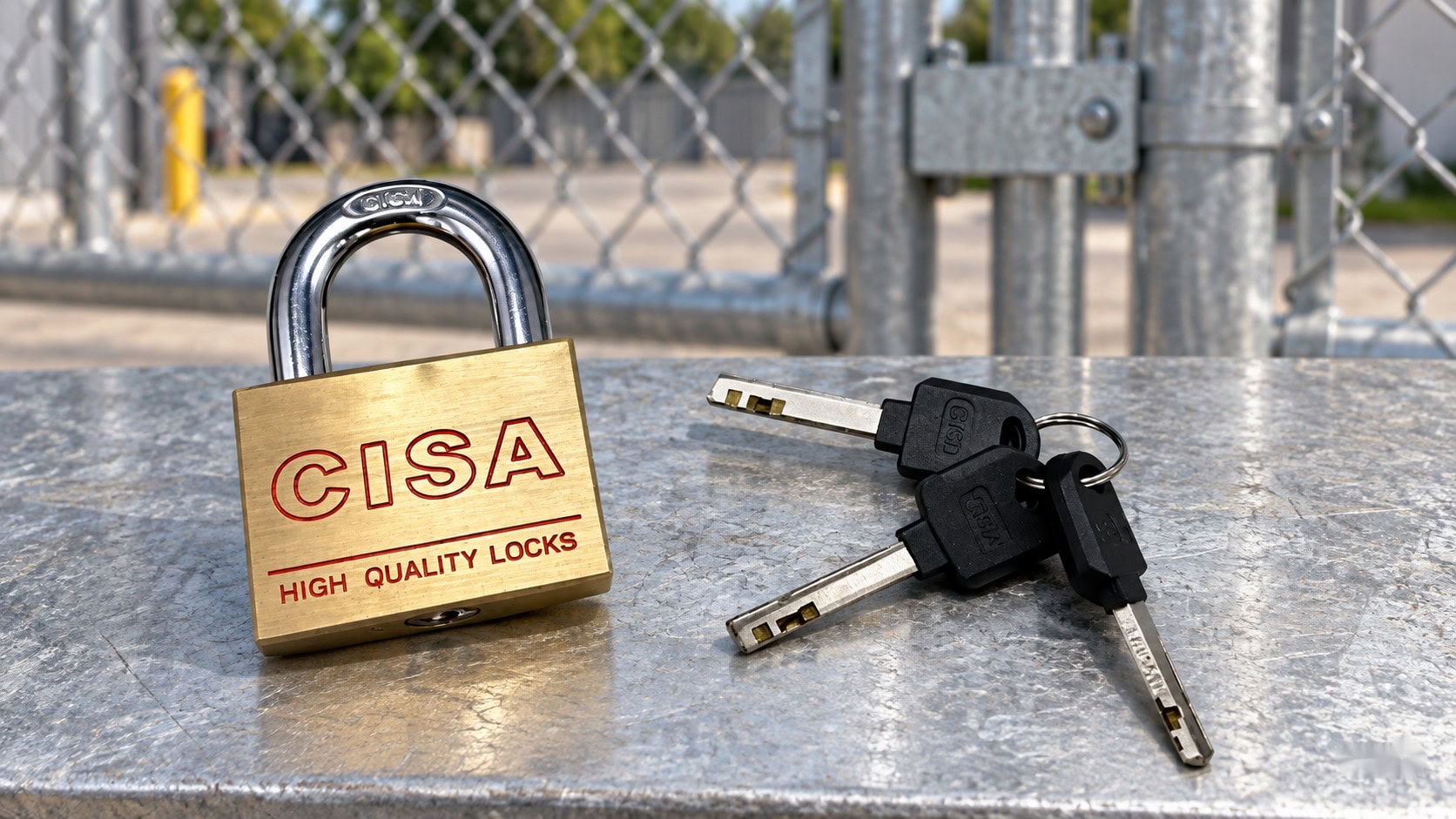
An open-shackle padlock uses the familiar U-shaped bar with clear space above the body. It can pass through chain links, gate eyes, locker fittings and many general-purpose hasps.
This flexibility can let one body family cover several applications through different shackle heights or diameters. Open designs are also easier to align when fittings move or visibility is limited.
The security trade-off is exposed metal. A long shackle or excessive gap can provide working room for cutting, twisting or prying tools. Choose only as much vertical and horizontal clearance as the interface needs.
What Is a Closed-Shackle Padlock?
A closed-shackle or shrouded padlock extends the body around the shackle so only a small working section remains accessible. Discus designs similarly reduce the visible shackle opening, while straight-shackle or shutter locks can protect aligned lugs in a different geometry.
Reduced exposure can improve resistance to some physical attacks, but it narrows the usable opening. The body may collide with a thick hasp, recessed eye or surrounding door feature. A dimensioned sample fit is essential.
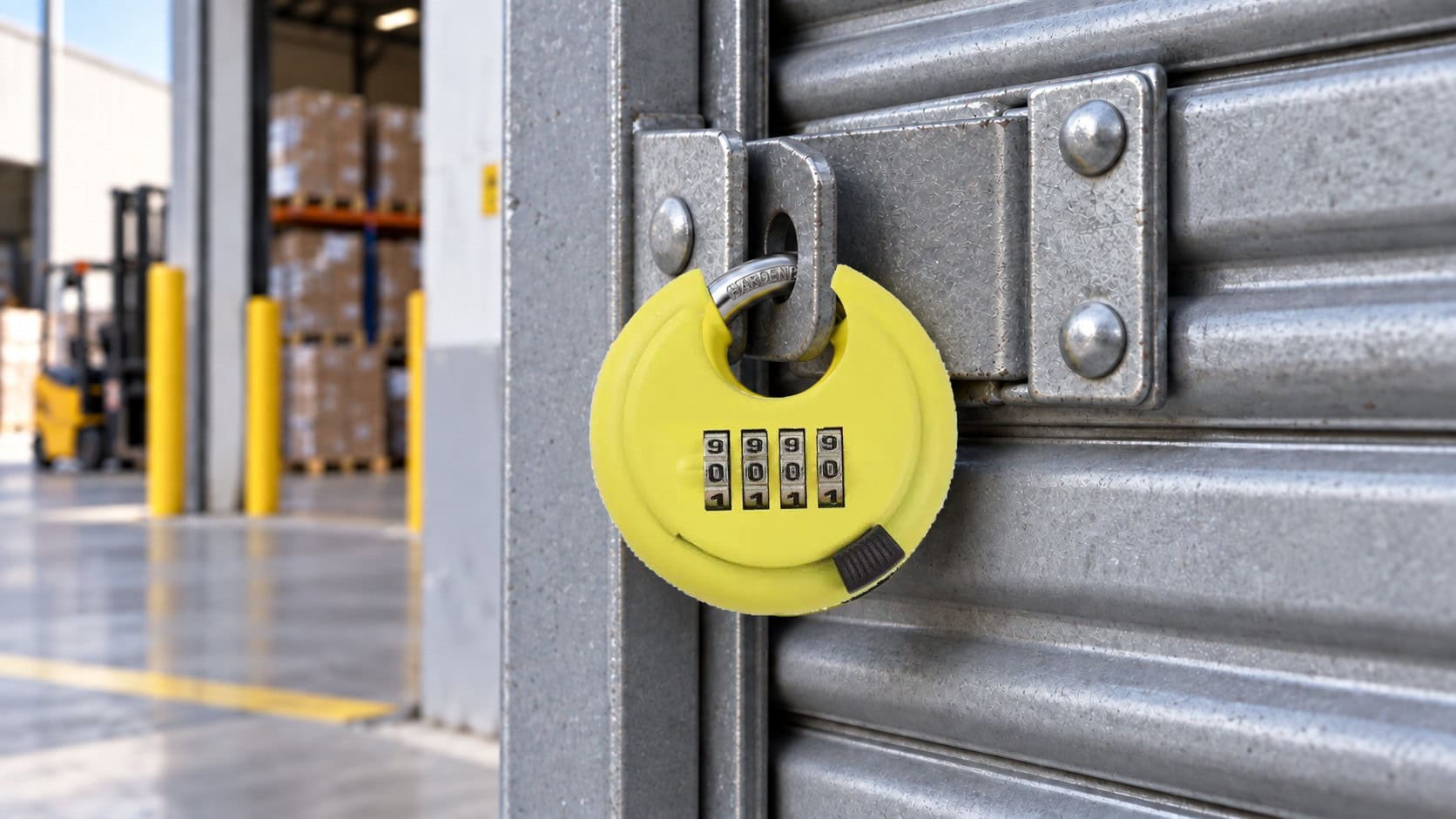
ANLI’s commercial padlock range includes keyed, combination, discus, weather-resistant and other body formats for OEM and distribution programs. Product form should follow the mating hardware rather than appearance alone.
Fit and Clearance Decide More Than the Name
Before selecting either design, measure the smallest entry hole, total joined-part thickness, horizontal span, vertical insertion clearance, body operating space and expected hardware misalignment.
ANLI’s guide to padlock shackle diameter, material and clearance explains how these dimensions affect both compatibility and tool access.
A closed-shackle body around a weak hasp does not solve the complete problem. An open shackle can perform well when it is short, enclosed by robust fittings and matched to the threat.
Compare Materials and Locking Construction
Body style does not identify material or internal construction. Specify the lock body, shackle substrate, heat treatment, surface protection and locking method separately.
Hardened or alloy steel shackles may be selected for cutting and sawing resistance. Stainless grades can be useful where corrosion is a major risk. Material names alone do not establish performance; diameter, hardness, toughness, manufacturing control and the agreed test all matter.
Ask whether the shackle locks on one side or both, and whether the mechanism uses a heel-and-toe or ball-bearing arrangement. Also specify whether the shackle is captive, removable, spring-loaded or manually released. These choices affect attack resistance, servicing and user convenience.
Match the Design to the Application
For warehouses and shutters, closed, discus or straight-shackle designs can reduce tool access when the door lugs are designed for them. Gates and utility sites may need an open shackle for moving or offset hardware; use the shortest workable version and strengthen the fittings. Compact open locks often suit lockers, while closed designs can support higher-value compartments. Multi-site distributors can use open designs for broad compatibility and closed designs as a tighter-fit security tier.
Outdoor and Corrosive Environments
Weather exposure affects the shackle, body, cylinder, springs and locking parts. Specify the environment and each component’s protection. A protective jacket or keyway cover may limit contamination, but it does not replace suitable materials, drainage and functional validation.
If corrosion testing is required, agree on the method, duration, production-intent sample configuration, visual limits and post-test operation. A salt-spray result does not by itself predict years of service outdoors.
Keying, Branding and Program Control
State whether locks are keyed different, keyed alike or master keyed. Define group sizes, keys per lock or group, future reorder matching and marking rules. The related commercial padlock keying guide helps buyers plan access before production.
OEM requirements can also include logo method, body color, key-head design, barcode labels, retail or bulk packaging and installation kits. Approve a production-intent sample with the final body, shackle, cylinder, finish and packaging.
A Practical RFQ Checklist
Provide application photographs, a dimensioned hasp or chain drawing, required shackle diameter and clearances, body envelope, material and finish, environment, key plan, attack or durability tests, sample acceptance criteria, branding, packaging, quantity and forecast repeat orders.
Match the Padlock to the Complete Interface
ANLI supports OEM and wholesale padlock programs with body and shackle selection, dimensional review, keying, finishes, branding, samples and production planning. Send the mating-hardware drawing, application risk, environment, access plan and forecast volume through the contact page to compare closed- and open-shackle options.
Frequently Asked Questions
Is a closed-shackle padlock always more secure?
No. It generally reduces shackle access, but performance still depends on materials, locking construction, cylinder, fit and the attached hardware.
Is a long open shackle suitable for high-security use?
Only when the interface requires it and the complete assembly meets the agreed test. Extra exposed length usually gives tools more working space.
Can a closed-shackle lock replace a standard padlock directly?
Not always. The protected opening and larger body may not clear the existing hasp. Test a dimensioned sample on the final hardware.