Quarter-turn locks for industrial enclosures must match the panel cut-out, door thickness, grip, cam and operating environment. A lock can fit the hole and still fail to latch correctly. Buyers should submit a drawing and define the full assembly before ordering samples.
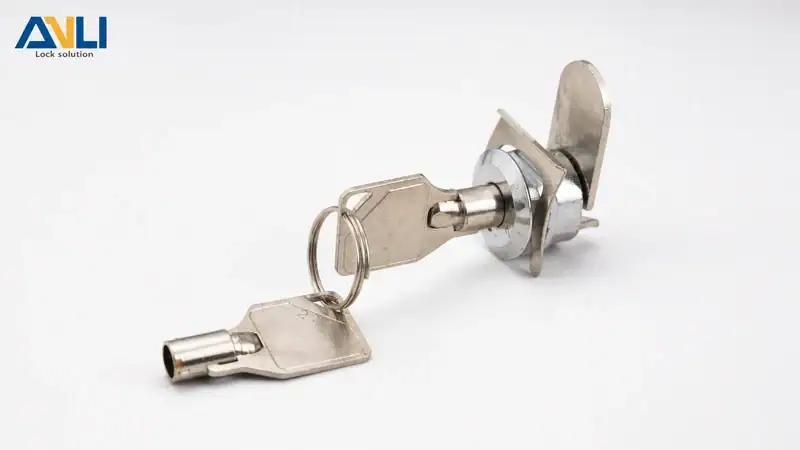
What Is a Quarter-Turn Enclosure Lock?
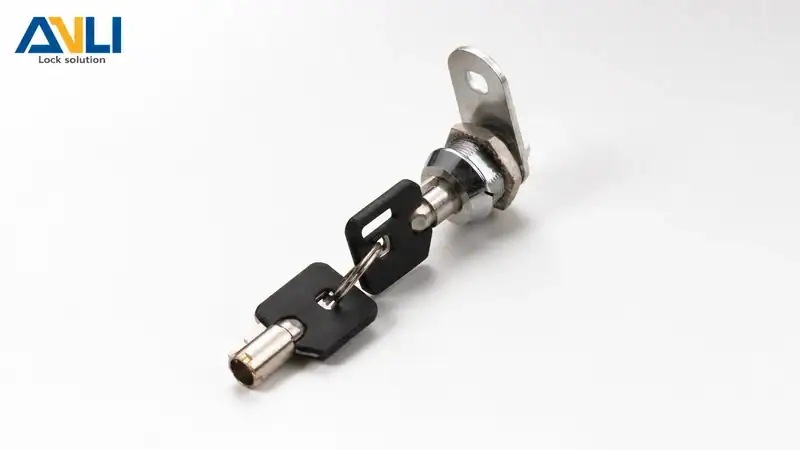
A quarter-turn lock uses about 90 degrees of rotation to move a rear cam behind the enclosure frame. It is common on electrical cabinets, control panels, telecom boxes, machine guards and service doors. Some suppliers call this product a quarter-turn cam lock.
The terms are related, but they are not always identical. A cam lock may use a different rotation or mounting design. Confirm the operating angle, stop positions and cam movement on the drawing. ANLI groups relevant products in its cabinet door lock range.
The Eight Specifications Buyers Must Confirm
1. Panel Cut-Out and Door Thickness
State the exact cut-out shape and dimensions. Add the panel material, nominal thickness and tolerance. Show whether the door is single-wall or double-wall. A sample panel is useful when the mounting area has folds, reinforcement or a recessed surface.
2. Grip and Frame Engagement
Grip is the distance from the lock mounting face to the point where the cam engages the frame. State the target grip and tolerance. Show the frame return, gasket compression and any obstruction near the cam path.
3. Cam Length, Offset and Shape
A flat, bent, hooked or offset cam changes the engagement geometry. Define cam length from the rotation center, offset, thickness and end shape. State clockwise or counter-clockwise locking. Also confirm left-hand, right-hand or reversible use.
4. Key or Insert Interface
Choose the interface to match the maintenance policy. Options may include a standard key, tubular key, slotted insert, square insert or triangle insert. Avoid a common service insert when the enclosure requires restricted access.
5. Keying Plan
Define keyed alike, keyed different or master key access. State the number of keys and the marking rules. If several sites will reorder the same system, create a controlled key schedule before production.
6. Material and Finish
Specify the base material and finish as separate items. Review the cylinder, housing, cam, nut, screw and washer. A corrosion-resistant housing cannot protect a weak steel cam or fastener. Match the finish to indoor, outdoor, coastal or wash-down exposure.
7. Sealing and Compression
A gasket can limit water and dust entry around the lock. A compression design can also pull the door against the enclosure seal. If the enclosure has an IP requirement, validate the complete installed door. A component claim alone does not prove the enclosure rating.
8. Load, Cycle and Documentation Requirements
State the expected operating cycles, vibration, pull load and misuse risk. List required inspection reports, material declarations and corrosion tests. Define logo, packaging, traceability and sample approval at the same time.
Quarter-Turn Locks for Industrial Enclosures: RFQ Table
| RFQ item | Information to provide |
| Application | Electrical cabinet, telecom box, machine guard or other enclosure |
| Panel | Cut-out drawing, material, thickness and tolerance |
| Latching | Grip, cam length, offset, shape and rotation direction |
| Access | Key or insert type; keyed alike, different or master keying |
| Environment | Indoor/outdoor, humidity, dust, wash-down, vibration and corrosion target |
| Build | Materials, finishes, gasket/compression, logo and packaging |
| Validation | Sample quantity, functional checks, cycle/load tests and documents |
How to Read a Practical Specification Template
Use a short specification only after the drawing is ready. A clear example can use separate lines:
- Application: outdoor electrical enclosure.
- Reference: drawing A-102 and a 2.0 mm steel door.
- Latching: 24 mm grip, 45 mm offset cam and clockwise locking.
- Access: keyed alike cylinder.
- Build: zinc-alloy housing with the approved finish and a gasket.
- Validation: agreed functional and corrosion checks.
Each value has a purpose. The drawing controls fit. Grip and cam data control latching. Rotation controls assembly. Keying controls access. Material, finish and validation control durability. Replace every example value with the actual project requirement.
How Should Samples Be Validated?
Install the sample on a production-like panel. Check mounting torque, door closing force, cam engagement and key removal. Run the lock with the door open and closed. Then verify the agreed cycles, load, corrosion and sealing conditions.
When comparing quarter-turn locks for industrial enclosures, use the same panel and acceptance checklist for every sample. This makes supplier differences easier to measure.
Record the approved cam, hardware and finish. Small substitutions can change grip or corrosion performance. The golden sample and drawing should remain linked to the purchase order.
Experience With Electrical-Enclosure Programs
ANLI has supported enclosure-lock programs for electrical-equipment customers, including OEC. This work has covered the practical details that affect production: panel fit, stable latching, access control, corrosion protection and repeatable assembly. Each new project is still validated against the buyer’s own drawing and requirements.

Send Your Enclosure Drawing for a Specification Review
Send ANLI the panel drawing, cut-out, door thickness, grip, cam requirement and environment through the contact page. We can review quarter-turn locks for industrial enclosures and prepare a suitable sample configuration.
Frequently Asked Questions
Are all cam locks quarter-turn locks?
No. Many enclosure cam locks use quarter-turn operation, but designs can differ. Confirm rotation, stop positions and cam movement in the specification.
Can a lock alone provide an IP rating?
A sealed lock can support an enclosure design. The final IP result depends on the installed door, gasket, cut-out and assembly. Test the complete enclosure when a certified rating is required.
What is the most common RFQ mistake?
Buyers often send only a product photo. A photo does not define the cut-out, grip or cam offset. A dimensioned drawing is the best starting point for quarter-turn locks for industrial enclosures.