
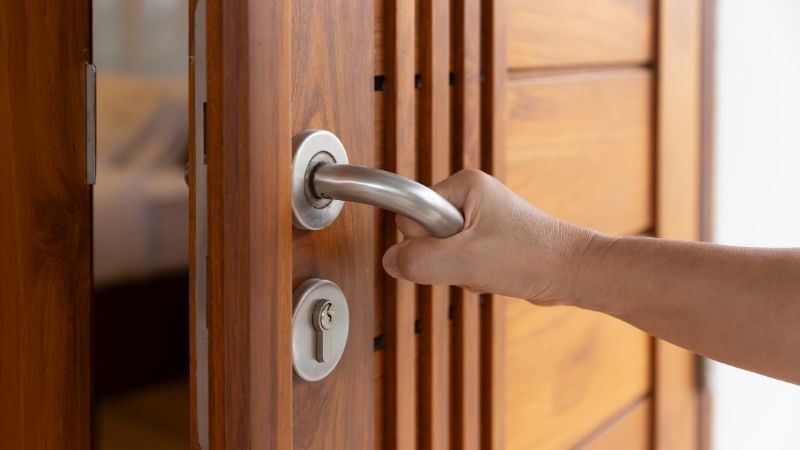
When you think about designing your home, you probably focus on big things like paint colors and furniture. But the smallest details often make the biggest difference in how a space feels and functions. The hardware on your doors is one of those details.
You interact with it dozens of times a day, and the choice between a classic door knob and a modern door handle (or lever) impacts everything from your home’s style to its safety and accessibility.
This guide will break down the pros, cons, and best uses for each, helping you choose the perfect hardware for every door in your house.
What is a Door Knob?
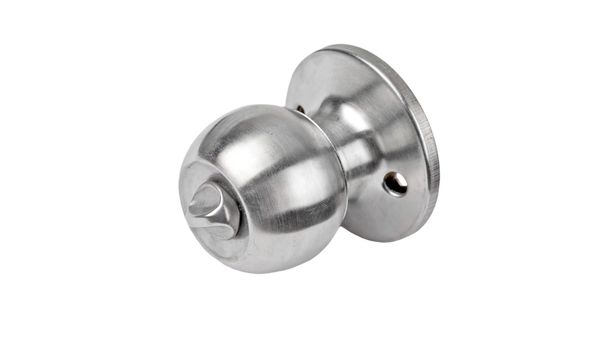
A door knob is the classic, spherical hardware you grip and turn to open a door. It works through a simple rotational action: turning the knob rotates a spindle inside the door, which retracts the latch bolt and allows the door to swing open.
Door knobs are more than just functional; they are key decorative elements that come in a wide array of types and materials:
- By Material: Popular materials include латунь, known for its warm, traditional look (though it requires polishing to prevent tarnishing); хром, which offers a sleek, modern shine; and ceramic or plastic, often used for colorful, decorative touches in bathrooms and kitchens.
- By Function: They can be passage knobs (for rooms that don’t lock, like hallways), privacy knobs (with a lock for bathrooms and bedrooms), and keyed entry knobs for exterior doors.
Pros and Cons of Door Knobs
Pros of Door Knobs
- Classic Aesthetic: Door knobs are synonymous with traditional, colonial, or vintage home styles and finishes. A round, polished brass knob can add a touch of timeless elegance and warmth to a room.
- Child-Resistant: Their design, which requires a coordinated grip-and-turn motion, can be more difficult for very young children to operate, offering a small measure of safety for doors you wish to keep closed.
- Less Snagging: Their compact, rounded shape is less likely to catch on clothing, belts, or bag straps as you pass by.
Cons of Door Knobs
- Poor Accessibility: The twisting motion can be challenging or impossible for people with arthritis, limited hand strength, or their hands full of groceries.
- Can Feel Less Secure: For external doors, a standalone door knob lock is generally not considered as secure as a deadbolt. Security experts even advise against relying on them as a primary lock for entry doors.
- Wear and Tear: The internal mechanism that allows the knob to turn can loosen over time, leading to a wobbly or non-functional knob.
What is a Door Handle (Door Lever)?
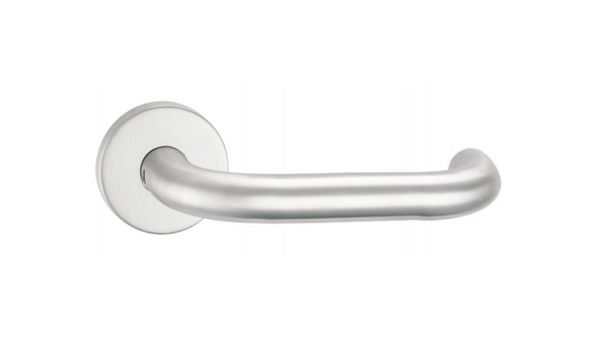
A door handle, most commonly referred to as a lever handle, uses a downward pushing action to operate. Instead of turning, you press the lever down, which engages the same internal mechanism to retract the latch. This design is inherently more versatile, appearing not just on doors but also as pulls for cabinets, drawers, and sliding doors.
Common types of door handles include:
- Lever Handles: The standard type for interior and exterior doors, often integrated with a lock.
- Pull Handles: Long, stationary bars commonly used on sliding doors, glass doors, or cabinets.
- D-Shaped Handles: A handle shaped like the letter “D,” providing a good grip and often used on heavier doors.
Pros and Cons of Door Handles
Pros of Door Handles
- Superior Accessibility and Ease of Use: This is the biggest advantage. A lever can be operated with an elbow, a full hand, or even a closed fist. This makes it ideal for children, the elderly, and anyone carrying items.
- Modern and Streamlined Look: Lever handles offer clean lines and a contemporary feel that suits modern, minimalist, and transitional home decors.
- Often Required by Code: Due to their accessibility, lever handles are often mandated by building codes in commercial buildings and are a key recommendation for creating accessible or “age-in-place” homes.
Cons of Door Handles
- Potential for Accidental Opening: Their easy operation can be a downside with pets. Some clever cats and dogs can learn to jump and pull levers down to open doors.
- Can Snag Clothing: The protruding lever is more likely to catch on loose clothing as you walk past compared to a rounded knob.
- Style Limitations: While very versatile, they may not provide the specific antique or ornate charm some traditional home styles seek.
Hybrids and Alternatives
The world of door hardware isn’t strictly black and white. You can find options that blend styles or offer different advantages.
- Knobs with a Lever Function: Some modern designs look like a traditional knob from the front but have a small, integrated lever on the backplate, offering easier operation while maintaining a classic look.
- Electronic and Keyless Options: For ultimate convenience and security, keypad or smart locks are becoming popular. These often come in both knob and lever styles and allow entry via code, fingerprint, or smartphone, eliminating the need for a physical key.
Door Knobs vs Door Handles: How to Choose for Your Home?
Selecting the right hardware involves balancing practical needs with your personal style. The table below provides a clear, room-by-room guide to help you decide.
| Room / Door Type | Recommended Hardware | Primary Reason |
|---|---|---|
| Main Entry Door | Lever Handle + Separate Deadbolt | Combines accessibility with maximum security. |
| Interior Doors (Hall, Closet) | Door Knob or Lever | A matter of style and budget. Knobs are classic; levers are easier to use. |
| Bathroom / Bedroom | Privacy Lever | Easy to operate with wet or full hands. The lock provides privacy. |
| Kitchen / Pantry | Lever Handle | Essential for when your hands are full of dishes or groceries. |
| Home with Children | Door Knob or Lever | Use knobs on doors to dangerous areas (e.g., basement); levers elsewhere for child-friendly access. |
| Home with Elderly or Accessibility Needs | Lever Handles Throughout | The downward action is much easier for those with limited hand strength or mobility. |
Final Tips for Selection:
- Match Your Home’s Style: Choose finishes and designs that complement your overall decor. Matte black and antique brass are popular contemporary choices, while polished brass suits traditional homes.
- Prioritize Quality: Feel the weight of the hardware. Check that the mechanism operates smoothly. Good quality internal components will ensure longevity and reliability.
Frequently Asked Questions
What is the difference between a door handle and a door knob?
The core difference is in how you operate them. A door knob is round and requires you to grip and rotate it to open the door. A door handle has an extended lever arm. You simply push it down to open the door, using your hand, elbow, or even your arm if your hands are full.
Are door knobs or handles more secure?
For exterior doors, security depends almost entirely on the lock mechanism (the deadbolt and cylinder), not the style of the hardware.
However, from a physical attack perspective, a door handle could be slightly more vulnerable to forced entry if the lever is used as a point of leverage, whereas a knob offers less to grip. For true security, always prioritize a high-quality, grade 1 or 2 deadbolt lock.
Are door knobs or handles more modern?
Generally, door handles are considered more modern. They offer clean, straight lines that align with contemporary, minimalist, and transitional design styles. Doorknobs are strongly associated with traditional, classic, and vintage aesthetics, though modern takes on the knob design also exist.
Why are door knobs not ADA-compliant?
Doorknobs are not ADA-compliant because they require a tight grip and a twisting wrist motion, which can be difficult or impossible for people with arthritis, limited hand strength, or mobility disabilities.
Conclusion
Door knobs and door handles (levers) each have their own advantages and disadvantages. To create a harmonious and practical home, you don’t have to choose only one. Many homeowners cleverly use a combination of both, like using levers in high-traffic areas like kitchens and entries, and knobs on closets or in historically styled rooms.
I hope this guide helps you make an informed decision for your home. If you have a specific room or style dilemma in mind, feel free to ask for more tailored advice.