
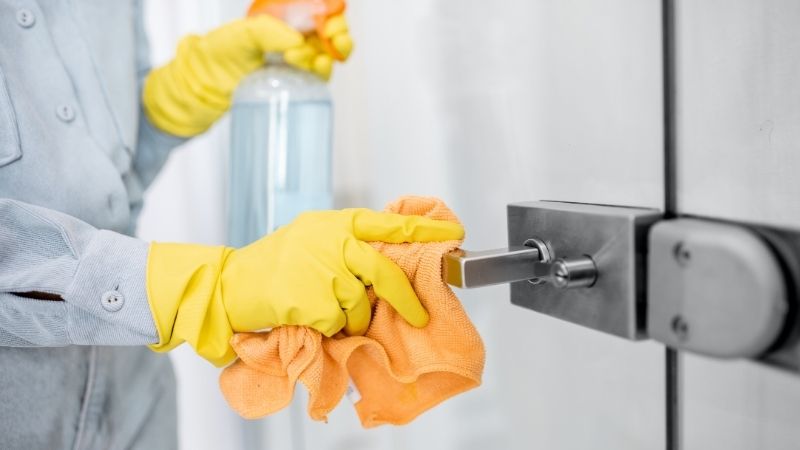
Your front door handle is the handshake of your home. It’s the first thing guests touch and something you use every single day. Over time, it collects invisible germs, visible fingerprints, dirt, and grime from the outdoors. While it’s built to last, giving it the right care keeps it working smoothly and looking beautiful.
This guide will walk you through the easy steps to clean your door hardware safely and effectively, no matter what materials are used.
Why Exterior Door Handle Cleaning Matters
Door handles on your exterior doors require regular cleaning for several important reasons. Firstly, it’s about cleanliness and removing germs, especially on high-touch surfaces. Secondly, built-up dirt and moisture can lead to corrosion and rust, which can wear down the underlying metal and cause mechanisms to stick. For finishes like brass, neglecting care can accelerate tarnishing. Finally, regular cleaning helps preserve the hardware’s new and aesthetically pleasing appearance, keeping it visually appealing.
Knowing Different Materials & Finishes of Door Hardware

Before you start cleaning, you must know what you’re cleaning. Using the wrong cleaning products can cause damage.
- Metals: This includes stainless steel, chrome, brass (which can be solid brass handles or brass plating), nickel (like satin nickel), aluminum, bronze, pewter, and zinc-alloy.
- Other Materials: Plastic, composite, and wooden door handles are also common.
- Key Finish Types: A lacquered brass door handle has a clear protective coat, while unlacquered brass develops a natural patina. A satin finish is brushed, not shiny.
Identifying your handle’s material is the first step to choosing the right cleaning method.
General Preparation Before Cleaning
Great results start with good prep. You don’t always need special sprays. Using everyday household items is effective. You’ll need:
- A few soft cloths (microfiber is best).
- Mild dish soap.
- Warm soapy water.
- An old toothbrush for scrubbing crevices.
- Optional helpers: baking soda, white vinegar, lemon juice.
Do a Spot Test: Always test your cleaning method on a small, hidden area first to avoid damage.
Cleaning by Material
Here’s how to tackle cleaning different types of door handle materials.
Brass Door Handles
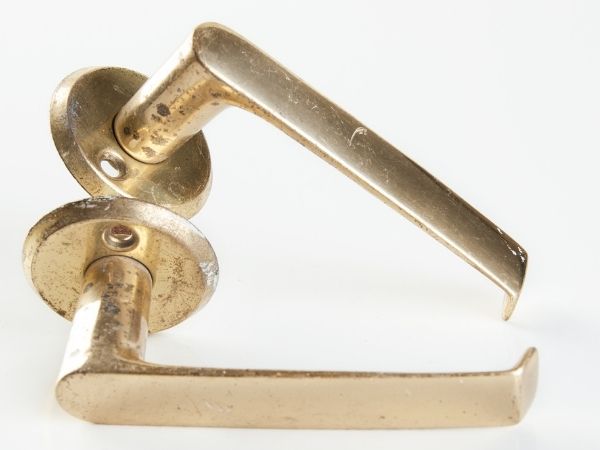
- Lacquered Brass: The lacquer is the finish. Only use warm soapy water. Do not polish, as it can strip the coating.
- Unlacquered or Tarnished Brass: This metal will tarnish. For cleaning tarnished brass, make a thick paste from baking soda and lemon juice. Some people even use tomato ketchup. Apply, let sit for 10-20 minutes, then rinse and dry thoroughly. You can use a brass polish to enhance the shine, but this removes the natural patina, which is desirable on antique pieces.
Stainless Steel Door Handles
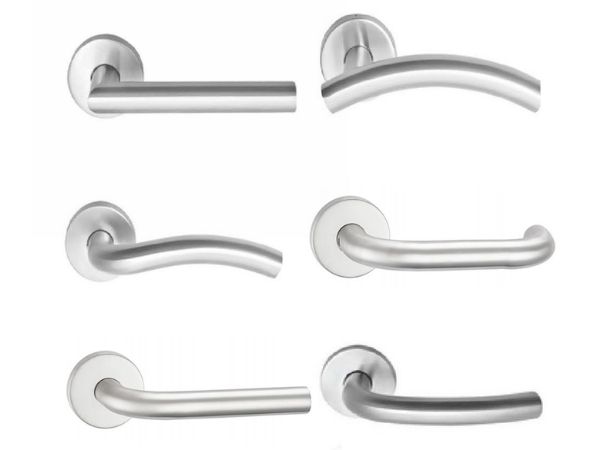
Stainless steel handles are popular for their resistance to rust. For fingerprints, use soapy water. For water stains or streaks, a 50/50 mix of white vinegar and water works well. Always wipe in the direction of the grain (the visible brushed lines) and dry completely.
Aluminum Door Handles
Clean with warm soapy water. If it looks dull or oxidized, make a paste with cream of tartar and water, apply with a cloth, rinse, and dry. Avoid abrasive scouring.
Bronze Door Handles
Treat like lacquered brass if it has a coating. If it’s an “oil-rubbed” or “living” finish designed to darken, just wipe it with a damp cloth and dry it. The changing color is part of its character.
Chrome and Nickel Door Handles
To clean chrome door handles, your vinegar-water mix or a dedicated chrome polish works well. For satin nickel, stick to soapy water to preserve its non-shiny look.
CRUCIAL: Never use steel wool or abrasive cleaners on these plated finishes. You will scratch them.
Zinc-Alloy Handles
This affordable material is often finished to look like another metal. Clean it according to the finish it mimics (e.g., if it looks like chrome, clean chrome). When unsure, the gentle soap-and-water approach is always safe.
Plastic and Composite Door Handles
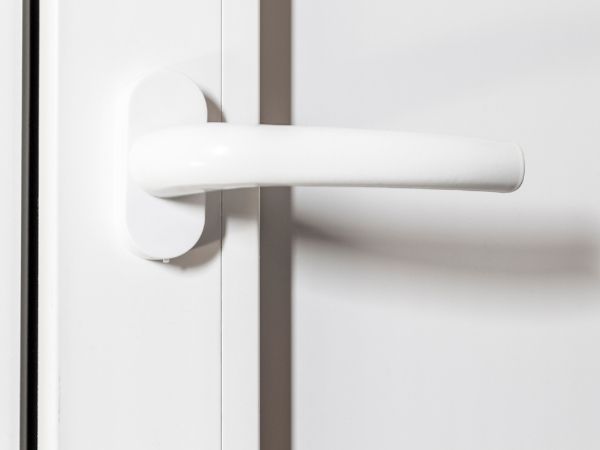
These are very forgiving. Soapy water or a mild all-purpose cleaner works perfectly. A cloth dampened with rubbing alcohol is great for disinfecting.
Wooden Door Handles
Minimize water! Wipe with a cloth that is only slightly damp with water or a wood-specific cleaner, then dry immediately. Once a year, after cleaning, you can apply a thin layer of natural wax or furniture oil to condition the wood.
Cleaning by Types of Door Handle
The shape of your handle decides how you clean it.
Door Knobs
Dirt loves the seam where the knob meets the backplate. Use your toothbrush dipped in your cleaning solution to scrub this circular crevice.
Lever Handles
Pay special attention to the pivot points at the base. Apply your cleaner and work the lever up and down to loosen grime inside.
Pull Handles
Don’t forget the entire underside of the bar! Run your damp cloth along the full length. Clean the screws, as tarnish often starts there.
Sliding Door Handles
Clean the handle itself, then use your brush or a vacuum attachment to clear out the track below it before wiping.
Keypad Handles
Never spray liquid directly on the keypad! Dampen a cloth with rubbing alcohol or soapy water, wring it out completely, and gently wipe the buttons and handle. Use a dry cotton swab between buttons. Ensure it’s 100% dry before using.
Long-Term Maintenance Tips
A little upkeep prevents big problems. Here are some tips and tricks:
- The Weekly Wipe: Keep a soft cloth handy for a quick dry wipe-down of exterior and interior door handles. This prevents build-up.
- Seasonal Deep Clean: Do a thorough clean like the steps above every few months.
- Wax for Protection: After cleaning and drying metal handles (except unfinished brass/bronze), apply a thin layer of car wax or natural wax. Buff it lightly. This creates a barrier against fingerprints and moisture.
- Lubricate: Once a year, put a small drop of lock lubricant into the keyhole to keep the mechanism smooth.
What to Avoid When Cleaning: Never use abrasive pads (steel wool), harsh acids, or bleach-based cleaners on metal door hardware. Always dry handles thoroughly after cleaning.
Conclusion
Your front door handle deserves care. By using the right method for its material and finish, and following simple, regular maintenance, you can keep it looking pristine and functioning smoothly for years to come. A clean handle makes a lasting, welcoming impression from the very first touch.