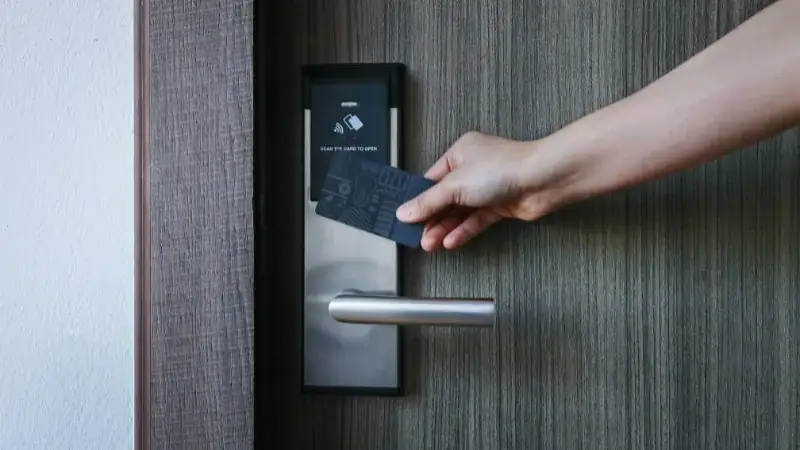
You know that feeling — right after leaving your car, that sudden doubt pops up: “Did I lock it?” Passive door lock technology effectively solves this everyday hassle. But what does that mean, exactly?
Simply put, a passive lock is any system that locks or unlocks automatically, without requiring you to take a manual step. Interestingly, this concept perfectly applies to two areas of our lives: vehicles and homes. Let’s take a look at how it works in both contexts.
Part 1: The Automotive Area – Keyless Entry
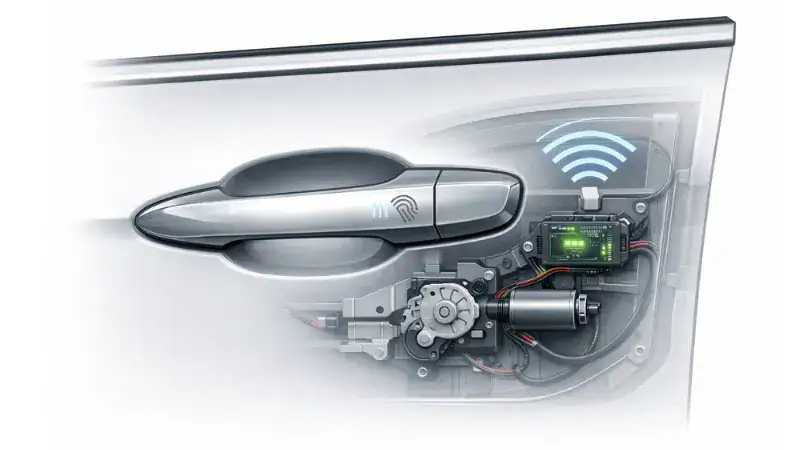
For most people today, “passive door lock” brings their car to mind. This system, often called Passive Keyless Entry (PKE), has transformed how we access the vehicle.
How It Works
Gone are the days of fumbling with a key in the door. Here’s the simple magic:
- You carry a key fob in your pocket or bag, and it constantly emits a low-power wireless signal.
- Your vehicle is equipped with antennas that detect this signal when the fob is nearby (typically within 3–6 feet).
- When you touch the door handle, a module inside the car checks the fob’s unique code. If it matches, the system sends a command to unlock the vehicle.
- To lock the doors, you just walk away. Once the car senses that the fob is out of range, it automatically locks itself. Many systems also let you press a button on the driver’s door handle to lock the car instantly.
Why Is It Popular
- Convenience and Security: It offers hands-free access while enhancing safety. The doors are always secured when you leave, preventing unauthorized access.
- Enhanced Features: These systems are often linked to alarm systems and can turn other electronics on or off remotely.
- Brand Adoption: Many major brands, like GM, have included this technology on a lot of their models.
Part 2: Home Security – The Door That Locks Itself
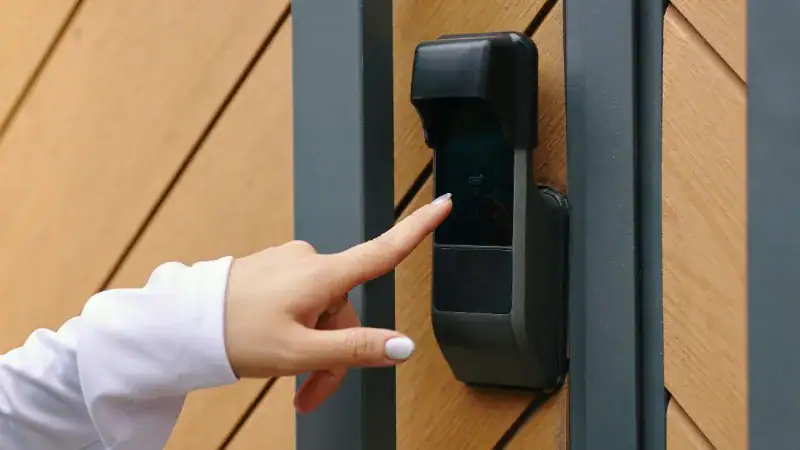
The other world of passive locking is in our buildings. Here, it refers to doors designed to automatically lock the moment they close.
How It Works
A passive door lock in this context is a lock that stays locked by default. When you close the door, a spring-loaded bolt or latch automatically clicks into place and secures it. From the outside, you can only get in by using a key, code, or card.
Why Is It Popular
This automatic lock function is crucial for consistent security. It’s why a hotel room door locks behind you, or an apartment building entry door secures after a passenger enters. You don’t have to remember; the door does it for you. Inside, for safety, a simple turn of a knob or a push bar allows for easy exit.
The Common Thread: Why “Passive”?
In both your car and your home, the core idea is the same: security happens automatically. You don’t perform an active, manual task like inserting a key or pressing a button. The locking systems are designed to detect a condition (you walking away, the door closing) and perform the function on their own. This smart technology is what makes it called passive.
Limitations of Passive Door Locks
This smart technology also has a few inherent downsides.
Automotive Passive Locks
- Key fob battery issues: If the fob’s battery dies, the system may not recognize it, and you might need to use a hidden physical key or replace the battery to get in.
- Signal relay theft risk: Thieves with special equipment can sometimes capture and extend the fob’s signal to unlock the car from a distance, though this type of attack is relatively rare and often requires specific conditions.
- Higher repair costs: The electronics and sensors involved are more complex than a regular lock and key, so repairs or replacements can be more expensive.
Architectural Passive Locks
- Risk of locking yourself out: Since the door locks as soon as it closes, it is easy to step outside without your key or card and find yourself locked out.
- Less convenient for busy areas: On high-traffic interior doors (like office hallways, storerooms, or common rooms), automatic locking can become annoying, as people constantly need a key, code, or card to get back in.
- Potential accessibility issues: Without proper planning (like push bars or accessible hardware), automatically locking doors can make movement more difficult for some users and may require carefully chosen hardware to stay compliant.
Frequently Asked Questions
What if my car key fob battery dies?
Don’t worry—there’s a backup plan. First, nearly every key fob contains a hidden physical key blade to manually unlock the driver’s door. Second, to start the car, most models have a specific spot (e.g., in the center console or against the steering column) where you can place the dead fob. The car can then read it via a short-range signal to enable the push-button ignition.
How does the car know I’ve “walked away” to lock itself?
The vehicle has several antennas that measure the strength of the signal from your key fob. When you exit and shut the doors, the system monitors the signal. Once it detects the fob signal has weakened beyond a certain threshold (indicating you are about 6-10 feet away), it triggers the automatically lock sequence.
Where are passive locks commonly used?
They are very common in commercial buildings, hotel rooms, apartment building entry doors, and increasingly in residential smart locks (like those from Schlage, Yale, or Kwikset). They’re also standard in most modern cars.
Conclusion
In short, passive door locks eliminate the worry of forgetting to lock up your property. They provide consistent security for both vehicles and homes, giving you one less thing to worry about. However, passive locks also have their drawbacks. Therefore, please consider your actual needs when deciding whether to use them.